Obotiq

Obotiq

Autonomous care robots that give caregivers time back

RobotsHardwareVercel DayArtificial Intelligence
▲ 67 votes4 commentsLaunched Jun 16, 2026
Visit Website
Daily #31Weekly #69
Obotiq screenshot 1

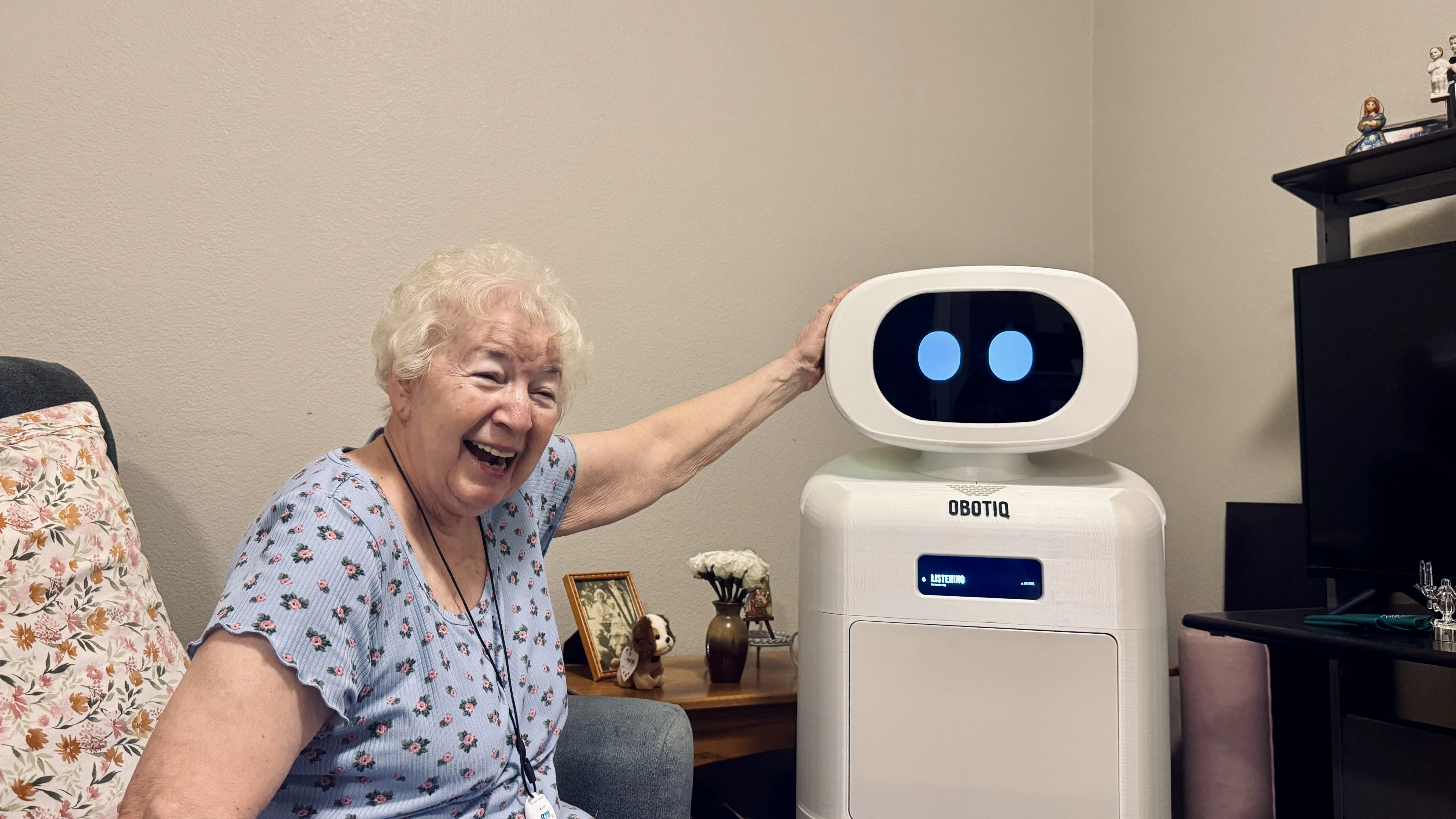
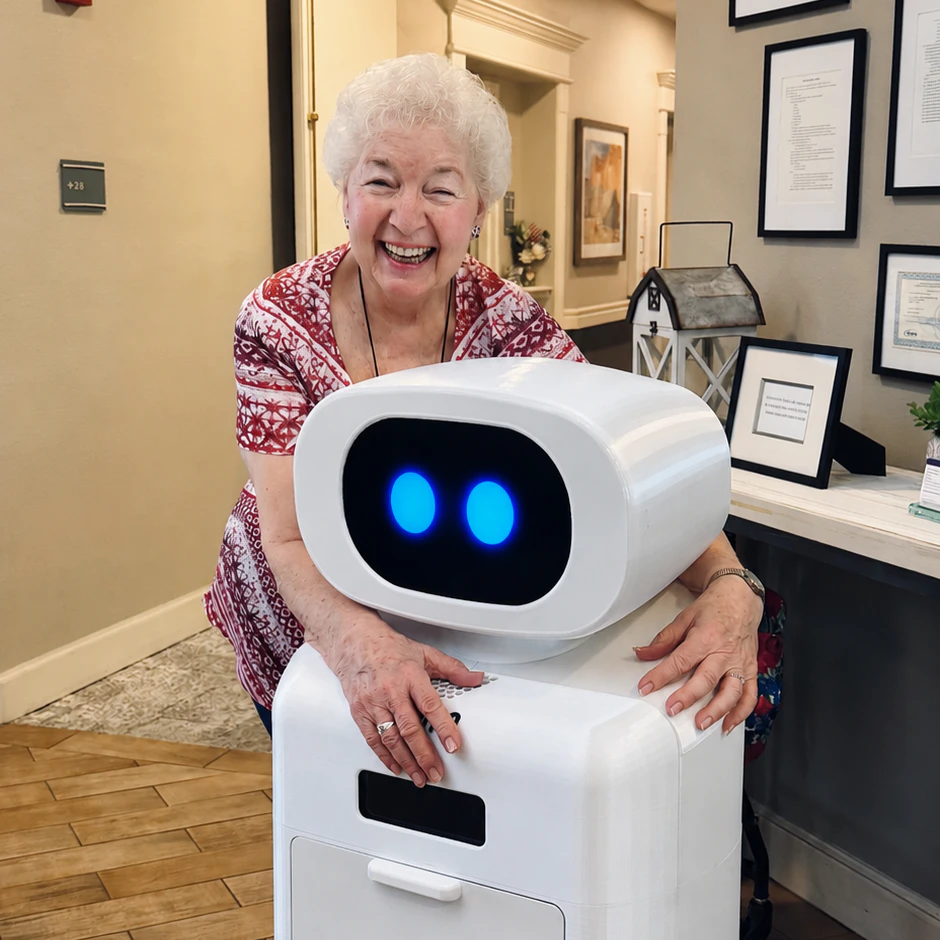
Obotiq builds autonomous robots that handles routine non clinical work in care facilities, reducing caregiver burnout and giving care teams more time for the moments that matter.

AI Analysis

📝 Summary

Obotiq builds autonomous robots that handle routine non-clinical tasks in care facilities such as delivery, monitoring, and logistics. Core features leverage AI for navigation and task execution in dynamic environments. It solves key pain points of caregiver burnout, staff shortages, and time lost on repetitive work, allowing care teams to focus on meaningful patient interactions. The unique selling point is 'giving caregivers time back' for moments that matter. Overall value proposition is improved operational efficiency, reduced burnout, and higher quality of care through intelligent hardware robotics.

📈 Market Timing

In 2025-2026, market timing is favorable due to maturing AI and robotics tech enabling practical autonomy, surging demand from global aging populations and caregiver shortages, and healthcare systems seeking efficiency gains amid economic pressures and labor costs. Policy support for tech in eldercare further aids adoption. Excellent Timing.

✅ Feasibility

Overall feasibility is Medium. AI autonomy is increasingly achievable but integrating reliable hardware for safe operation in care settings involves high technical complexity and R&D costs. Supply chain for robotics components, regulatory compliance for healthcare environments, and ongoing maintenance present risks. Scalability is strong post-prototype but requires substantial capital. Team expertise in AI/hardware is critical.

🎯 Target Market

Main target segments: Operators, administrators, and caregivers in nursing homes, assisted living facilities, and long-term care units (healthcare/eldercare industry). Geographically: Developed markets with aging demographics (US, Europe, Japan). Estimated market size: Large and growing TAM in healthcare robotics and eldercare automation (specific figures unavailable from sources); strong SAM in facilities facing staffing crises. Core pain points: Burnout from mundane tasks and rising labor demands. Willingness to pay: High due to ROI from staff retention and efficiency.

⚔️ Competition

Competition level: Medium. Direct competitors: 1. Diligent Robotics (Moxi, diligentrobots.com), 2. Aethon (TUG robots, aethon.com), 3. Vecna Robotics (vecnarobotics.com), 4. Swisslog Healthcare (mobile robots). This product's advantages: Strong focus on caregiver experience and non-clinical autonomy tailored to care facilities. Disadvantages: Likely higher hardware costs, less established track record than incumbents, and faces challenges in proven ROI compared to competitors with wider deployments.

Upgrade Pro to unlock full AI analysis