xPitch
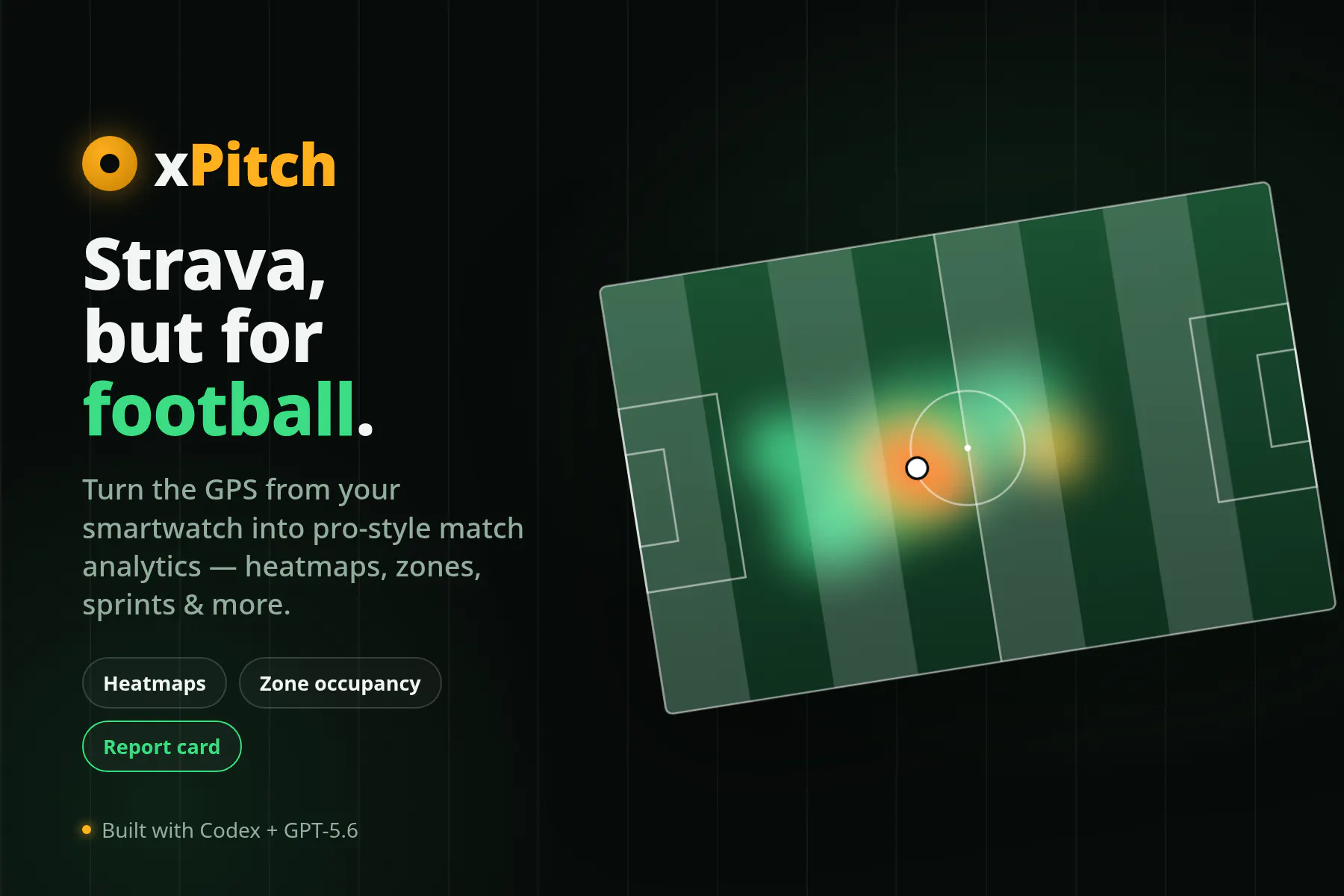
Strava for casual Footballer

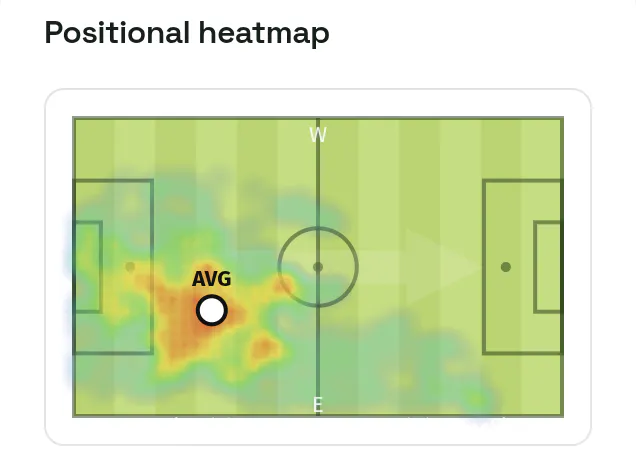
xPitch turns the GPS recording already on your smartwatch into football-specific match analysis. No dedicated tracker or fancy sensor needed. Upload FIT, GPX, or TCX files for heatmaps, movement trails, zones, sprints, heart-rate context, and estimated roles. Map a session to a real pitch, split play from rest, save matches with notes/photos in your account, share them, and export Story-ready graphics.
AI Analysis
xPitch turns GPS data from existing smartwatches into football-specific match analysis without needing dedicated trackers or sensors. Users upload FIT, GPX, or TCX files to receive heatmaps, movement trails, intensity zones, sprints, heart-rate context, and estimated player roles. Sessions can be mapped to real pitches, with play separated from rest; matches are saved with notes and photos, shared with others, and exported as story-ready graphics. It solves the key pain point for casual footballers wanting professional-level insights and performance tracking without expensive hardware. The value proposition is accessible, data-driven improvement and community sharing for amateur players, positioning it as 'Strava for casual football'.
The market timing is favorable for 2025-2026 due to widespread adoption of smartwatches with GPS, maturing AI tools for sports data interpretation, and rising demand among amateur athletes for affordable performance analytics amid growing health and fitness consciousness. Economic factors favor software solutions over costly hardware. No major policy barriers apparent. Excellent Timing.
Feasibility is High. Technical implementation leverages standard GPS file formats for parsing and visualization, which is straightforward; AI elements for roles and zones add moderate complexity but are achievable with current libraries. Low development costs for a web/SaaS product, no supply chain risks, though data privacy compliance for health metrics is essential. Strong scalability potential via cloud hosting and user growth. Fits well for teams experienced in sports data or OpenAI integrations.
Primary users are casual amateur football players ('weekend warriors'), semi-pro individuals, and small amateur teams, mainly males aged 18-40, concentrated in Europe (UK, Germany, Spain), Latin America, and parts of Asia and North America with strong football culture. Part of the growing sports tech and wearables sector. Core pain points are lack of affordable, simple post-match analysis without buying specialized sensors. Potential willingness to pay exists for freemium upgrades offering storage, advanced stats, and sharing features.
Competition Level: Medium. Direct competitors: 1. Strava (strava.com) - general fitness tracking with social sharing but limited football-specific metrics. 2. Hudl (hudl.com) - video and team performance analysis targeted at coaches. 3. Catapult Sports (catapultsports.com) - professional-grade GPS hardware and analytics. 4. Stats Perform (statsperform.com) - data services more oriented to pro leagues. Advantages: zero extra hardware, easy smartwatch integration, casual focus with social/export features. Disadvantages: potentially lower precision than dedicated sensors, newer entrant with less brand recognition in pro segments.
Upgrade Pro to unlock full AI analysis
Similar Products

Recursi
Self improving vibe coding env with no API fees
▲ 92 votes

Blop
Describe your app and Blop tests it and repairs broken tests
▲ 80 votes

Inbix
Cloudflare-native Email Infrastructure for Developers
▲ 73 votes

DecisionBox for Databricks
Connect DecisionBox to your Databricks to validate findings
▲ 72 votes

Stagent
Drive Claude Code through long tasks it would otherwise drop
▲ 58 votes

BioScript
Self-hosted white label link-in-bio
▲ 0 votes