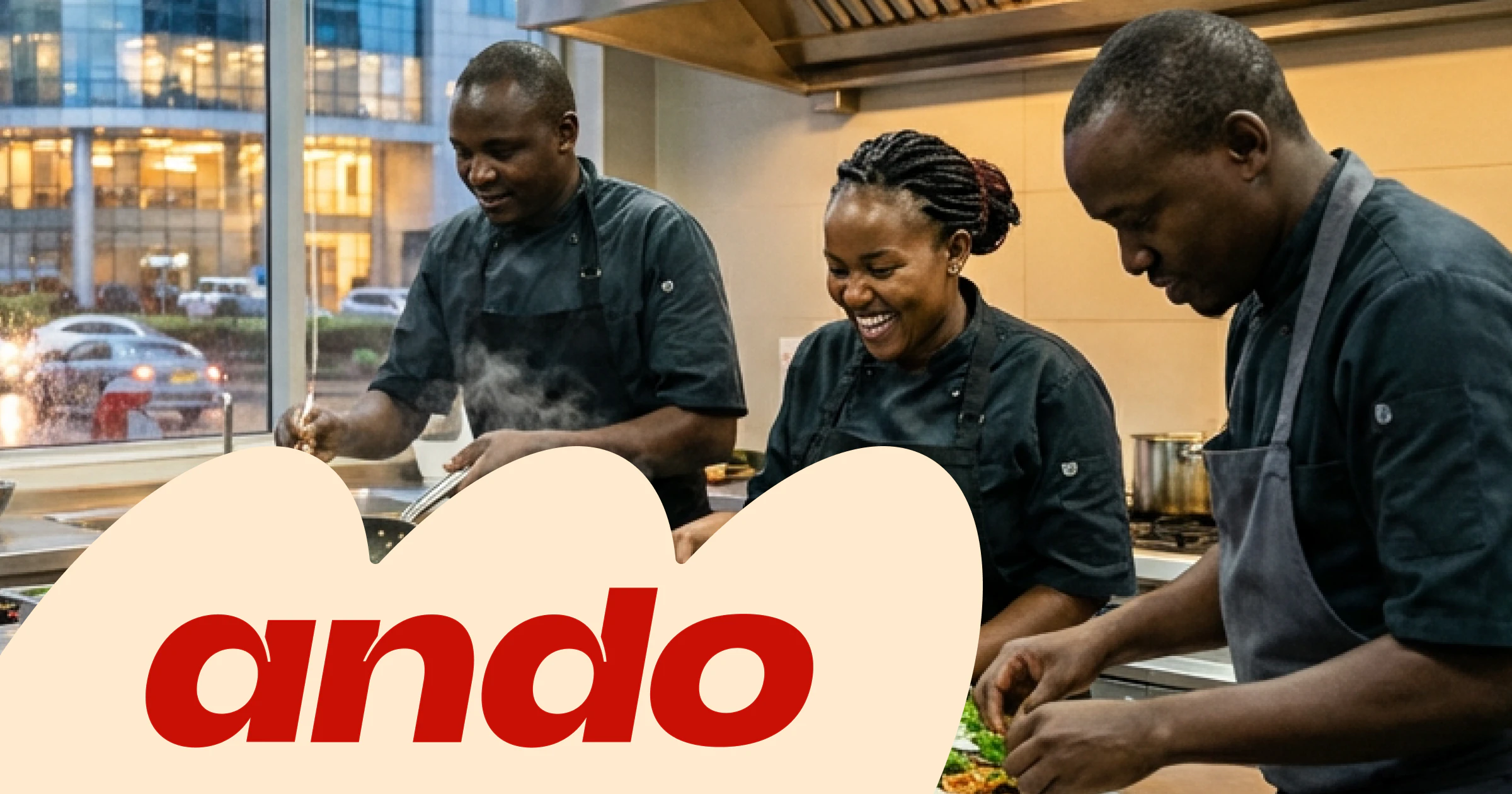
Ando Foods, Inc.
Food delivery operating system for Africa
Ando provides software and operational infrastructure for delivery-first food brands, connecting kitchens, couriers, and customers across African markets.
AI Analysis
Ando is a food delivery operating system for Africa providing software and operational infrastructure for delivery-first food brands. It connects kitchens, couriers, and customers to enable seamless order fulfillment, logistics, and management. Core features focus on integrated operations tailored to African markets. It solves key pain points like fragmented supply chains, inefficient routing, high operational costs, and unreliable delivery in emerging economies. USP is its specialized end-to-end platform designed for the continent's unique challenges. Overall value proposition: Empower food brands to efficiently launch, operate, and scale delivery businesses across Africa.
The current market timing for 2025-2026 is favorable. Africa's digital economy is expanding with rising smartphone penetration, urbanization, growing middle class, and increasing demand for on-demand delivery services. Tech maturity in logistics AI and mobile payments is improving, supported by rising VC investments in African startups and post-pandemic shift to digital. Economic growth in key markets like Nigeria and Kenya creates strong tailwinds, though infrastructure gaps remain. Rating: Excellent Timing.
Overall feasibility is Medium. Technical difficulty is moderate using existing cloud, GPS, and mobile tech stacks. However, development and operation costs are high due to complex logistics across fragmented African infrastructure and multiple regulatory environments. Supply chain and compliance risks are significant (varying country laws, data privacy). Scalability has strong potential via network effects but requires robust local partnerships and team expertise in African markets.
Main target segments: Delivery-first food brands, cloud/virtual kitchens, and restaurant operators in urban centers across Africa (Nigeria, Kenya, South Africa, Ghana, Egypt). Industries: Food service and quick commerce. Geographic distribution: Major African cities with high population density. Estimated market size: African food delivery TAM projected ~$12-15B by 2026; SAM for B2B operating software ~$500M+. Core pain points: Inefficient operations, unreliable courier networks, integration challenges. Potential willingness to pay: Medium-high for SaaS that demonstrably reduces costs and increases order volume.
Competition level: Medium. Direct competitors: 1. Jumia Food (food.jumia.com), 2. Glovo (glovoapp.com), 3. Bolt Food (bolt.eu/en/food), 4. Uber Eats (ubereats.com, where active in Africa), 5. Sendy (sendy.co). This product has advantages in its specialized 'operating system' focus on backend infrastructure for food brands with deep African localization versus broader marketplace platforms. Disadvantages: Likely higher competition pressure from established players' integrated merchant tools, lower brand awareness, and challenges in scaling the courier network.
Upgrade Pro to unlock full AI analysis
Similar Products

Oumua Inc
AI-guided breathing trainer with companion app
▲ 70 votes

Chat Cash
AI commerce OS for WhatsApp and Instagram sales
▲ 70 votes

Sapien Labs
In-silico trial engine for psychiatry programs
▲ 66 votes
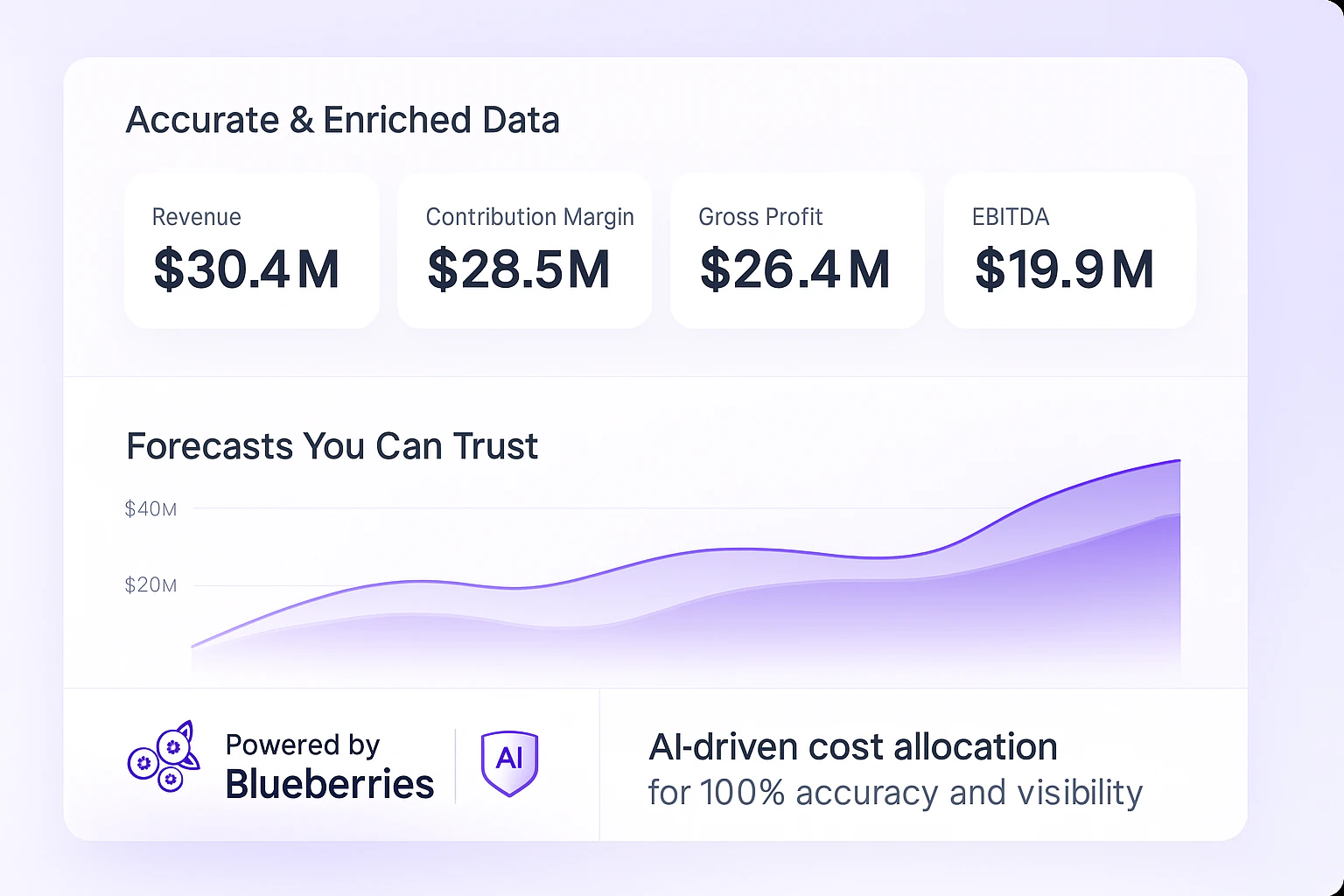
Blueberries
FP&A automation and forecasting for finance teams
▲ 64 votes

Kem
Crypto wallet for payments, transfers, and gold
▲ 64 votes

Relocal
Healthcare hiring and relocation platform
▲ 62 votes