
Gladys Assistant 5
Private, self-hosted smart home, no YAML required
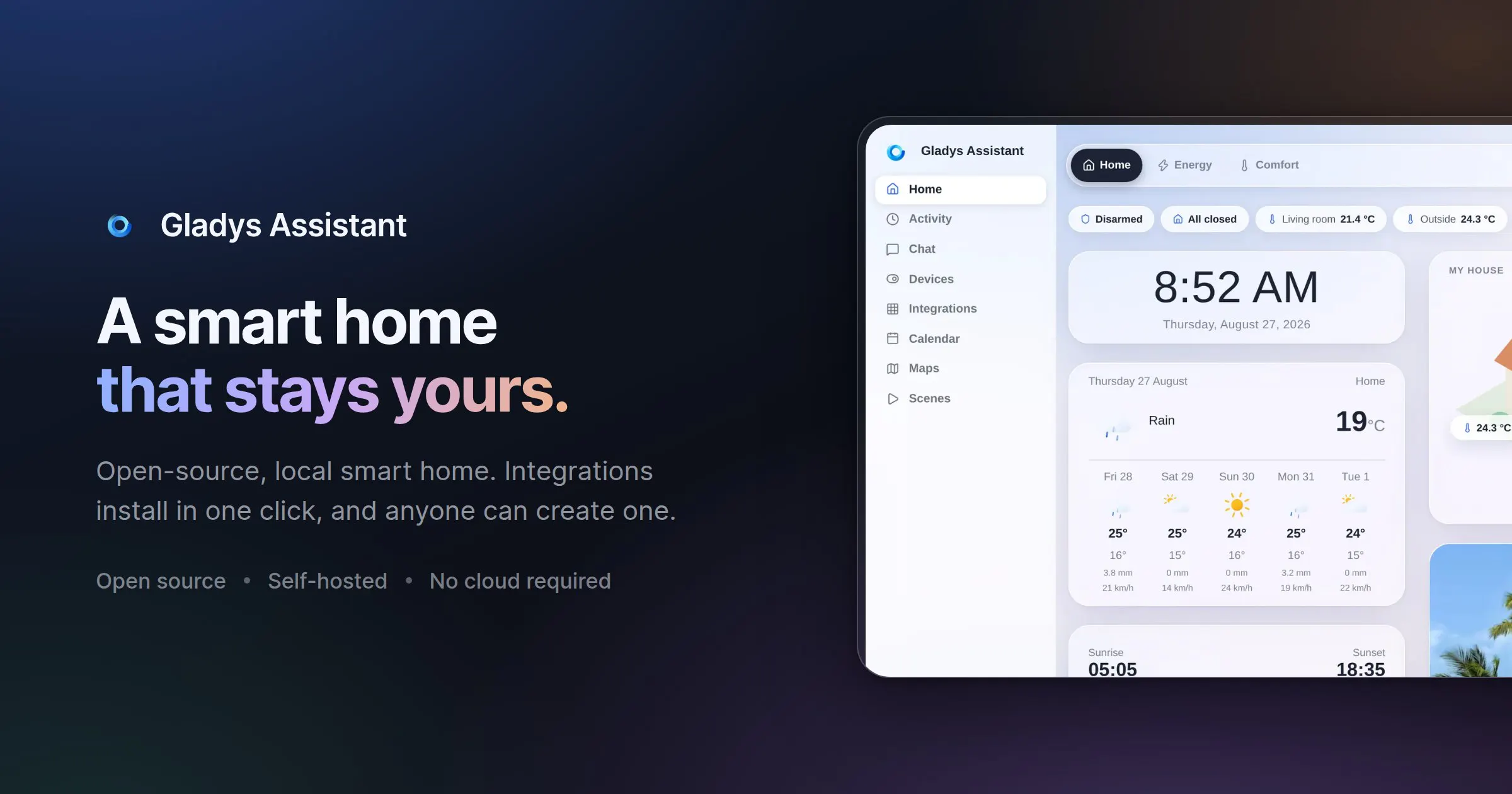
Gladys Assistant is a free, open-source smart home platform that runs on your own mini-PC or Raspberry Pi. Zigbee, Z-Wave, Matter and 90+ community integrations, a phone-first dashboard, no YAML, and it keeps working when the internet goes down.
AI Analysis
Gladys Assistant is a free, open-source smart home platform that runs locally on mini-PCs or Raspberry Pi. Core features include support for Zigbee, Z-Wave, Matter, and 90+ community integrations, a phone-first dashboard, and full offline functionality even without internet. Unique selling points are its emphasis on privacy through self-hosting, ease of use without any YAML configuration, and independence from cloud services. It solves key user pain points like complex setups in other platforms, data privacy risks from corporate ecosystems, and service disruptions during internet outages. The overall value proposition is empowering users with a private, reliable, and accessible smart home control system.
In 2025-2026, market timing is favorable due to maturing IoT protocols like Matter, rising global privacy concerns and regulations, growing demand for local/offline AI-driven automation, and user fatigue with cloud-dependent devices. Economic factors favor affordable self-hosted solutions amid smart home adoption growth. This aligns perfectly with trends toward data sovereignty and resilient systems. Excellent Timing.
High feasibility. Technical difficulty is manageable using established protocols and community integrations; runs on low-cost commodity hardware with minimal development costs for open-source model. Low supply chain and compliance risks as it's self-hosted and open source. Strong scalability via community contributions, though maintaining broad device compatibility requires ongoing effort. Overall low barriers for adoption and operation. High.
Main target segments: Tech-savvy DIY enthusiasts, privacy-conscious homeowners aged 30-55, and smart home hobbyists, primarily in North America and Europe. Focus on individual consumers in IoT/Home automation. Estimated market: Global smart home TAM ~$150B+, SAM for open-source/self-hosted solutions ~$2-5B, SOM for this niche ~$500M. Core pain points include privacy loss, setup complexity, and internet dependency. Potential willingness to pay is moderate (free core product, possible paid hardware/support).
Medium. Direct competitors: 1. Home Assistant (home-assistant.io), 2. openHAB (openhab.org), 3. Hubitat (hubitat.com), 4. Domoticz (domoticz.com). Advantages vs competitors: No YAML for easier setup, explicit phone-first UI, strong offline guarantee, and privacy focus. Disadvantages: Smaller community/ecosystem than Home Assistant, potentially fewer polished native integrations, and reliance on self-setup vs some commercial ease. Good differentiation in usability but faces strong open-source pressure. Medium.
Upgrade Pro to unlock full AI analysis
Similar Products
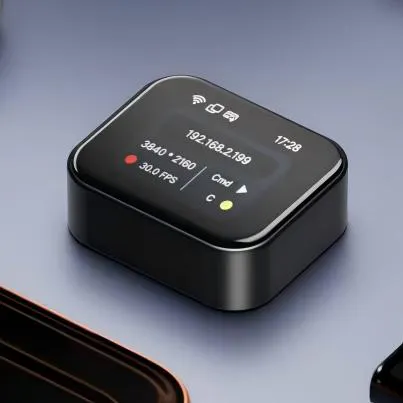
NanoKVM-Go
Give your AI agent physical control over any screen
▲ 110 votes
CodeBurn
See where your AI coding spend actually goes
▲ 101 votes

Juggler
A visual AI coding harness
▲ 94 votes

gg-friggin-ez
Fast, cheap profanity and toxicity screening via Jev & Laya
▲ 88 votes
Blop
Describe your app and Blop tests it and repairs broken tests
▲ 80 votes

Prowler Cloud
Where your AI agent becomes a cloud security defender
▲ 64 votes