
Harmonic Discovery
Machine learning for precision drug discovery
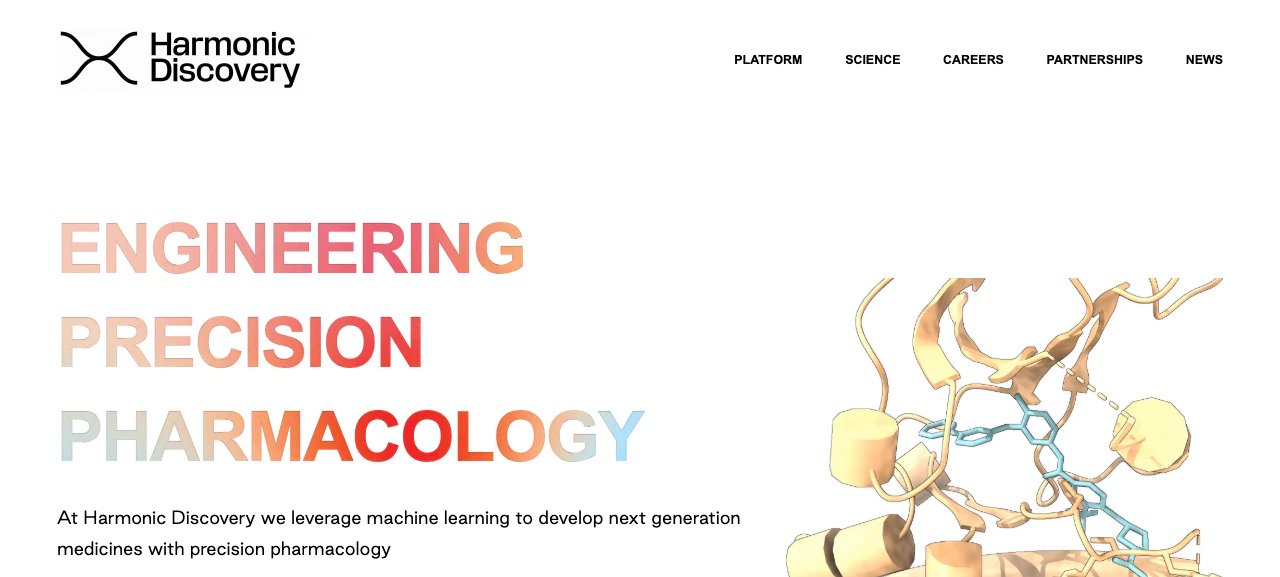
Harmonic Discovery uses machine learning and generative chemistry to design medicines with fewer harmful off-target effects and better multi-target activity for complex diseases.
AI Analysis
Harmonic Discovery is an AI platform leveraging machine learning and generative chemistry for precision drug design. Core features include predictive modeling to optimize multi-target activity and minimize harmful off-target effects for complex diseases. It solves key pain points in traditional drug discovery: high failure rates, lengthy timelines, and unexpected side effects that plague therapies for cancer and neurological conditions. The USP is its focus on polypharmacology to create safer, more effective medicines. Overall value proposition: accelerate R&D, reduce costs, and improve success rates through intelligent molecule generation.
Favorable for 2025-2026 due to maturing AI/ML technologies (e.g., advanced generative models), surging investment in AI-driven pharma R&D, aging populations driving demand for complex disease treatments, and evolving regulatory support for AI in drug approval processes. Pharma is actively adopting these tools to address pipeline gaps. Excellent Timing.
Technical difficulty is moderate-high as ML and generative chemistry methods are established but require integration with experimental validation. Development costs are significant for data, compute, and wet-lab testing; regulatory/compliance risks are high in pharma. Scalability is strong once the platform is built, with good team fit for AI-biotech experts. Overall rating: Medium due to capital intensity and clinical translation challenges.
Primary segments: pharmaceutical companies, biotech startups, and research labs focused on oncology, neurology, and rare diseases (global, concentrated in US/Europe/China). AI drug discovery TAM ~$1-2B now, projected >$10B by 2030; SAM for multi-target precision tools in complex diseases is several hundred million. Core pains: >90% clinical failure rates, $1B+ per drug costs, 10-15 year timelines. High willingness to pay via platform licenses, collaborations, or milestone payments.
Medium. Direct competitors: Exscientia (exscientia.ai), Insilico Medicine (insilico.com), Recursion Pharmaceuticals (recursion.com), Atomwise (atomwise.com), BenevolentAI (benevolent.com). Advantages: strong emphasis on reducing off-target effects and superior multi-target optimization via generative chemistry, offering better safety profiles for complex diseases. Disadvantages: potentially smaller scale and less advanced clinical pipeline compared to public companies like Recursion; may require more partnerships for validation.
Upgrade Pro to unlock full AI analysis
Similar Products

Oumua Inc
AI-guided breathing trainer with companion app
▲ 70 votes

Chat Cash
AI commerce OS for WhatsApp and Instagram sales
▲ 70 votes

Sapien Labs
In-silico trial engine for psychiatry programs
▲ 66 votes
Blueberries
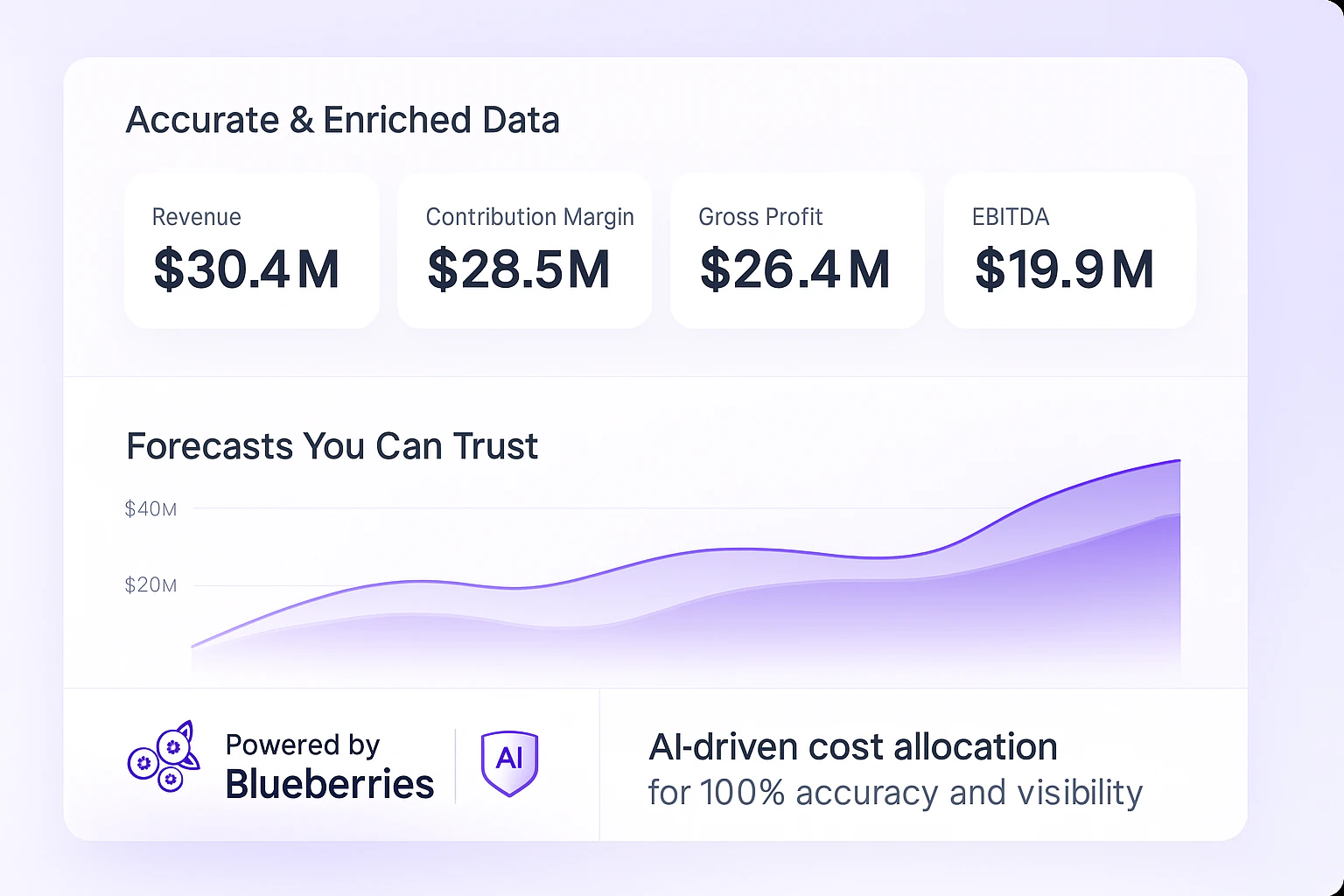
FP&A automation and forecasting for finance teams
▲ 64 votes

Kem
Crypto wallet for payments, transfers, and gold
▲ 64 votes

Relocal
Healthcare hiring and relocation platform
▲ 62 votes