
QuikBot Technologies
Autonomous delivery platform for last-mile logistics
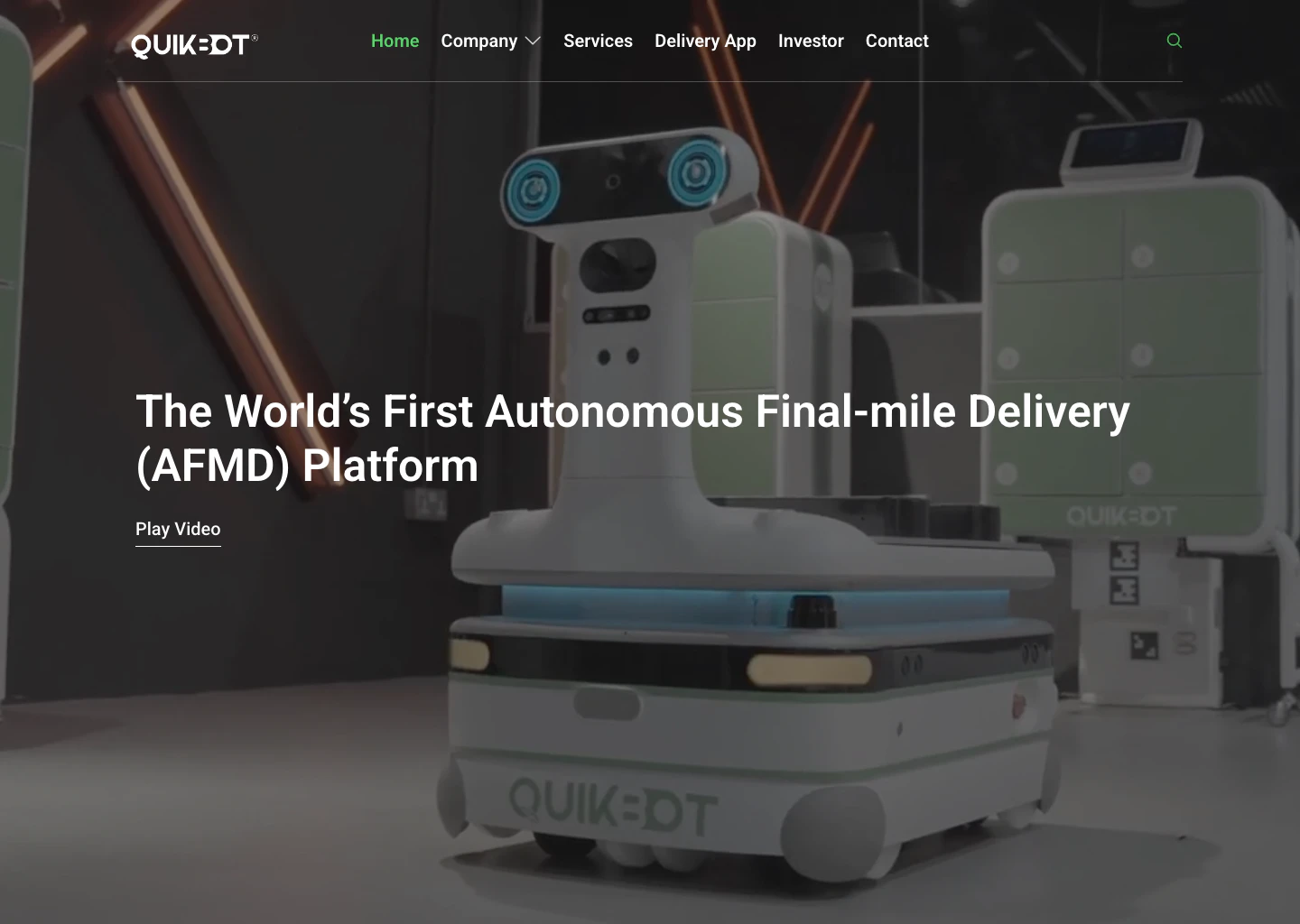
QuikBot builds autonomous delivery robots and software for moving food, parcels, and other items around campuses and dense environments. The launch centers on robotics infrastructure more than a Product Hunt-style digital product.
AI Analysis
QuikBot Technologies develops autonomous delivery robots and software for last-mile logistics, focusing on transporting food, parcels, and items in campuses and dense environments. Core features include autonomous navigation, real-time tracking, and robotics infrastructure integration. It solves key pain points such as labor shortages, high delivery costs, inefficiencies, and safety risks in traditional last-mile logistics. The value proposition centers on providing scalable, efficient, contactless delivery solutions tailored for controlled settings like university campuses, emphasizing infrastructure over pure consumer apps.
In 2025-2026, timing is favorable with maturing AI, sensor tech, and battery advancements enabling reliable autonomy. Post-pandemic demand for contactless delivery remains strong, alongside policy support for sustainable urban logistics and smart campus initiatives in Asia. Economic pressures on labor costs further drive adoption. Regulatory frameworks for low-speed robots are improving in key markets like Singapore. However, full urban deployment hurdles exist. Overall: Excellent Timing.
Feasibility is medium. Technical challenges in safe autonomous navigation across varied campus terrains are significant, with high hardware development and maintenance costs. Supply chain dependencies for components and compliance with robotics safety regulations add risks. Team expertise in robotics (per Pitch Singapore focus) supports execution, and scalability is strong after pilot success, but initial capital intensity is a barrier. Overall rating: Medium.
Main targets are facility managers at universities, corporate campuses, hospitals, and logistics operators in Singapore and Southeast Asia, with expansion to Europe/US. Demographics: B2B clients in education, healthcare, and food delivery sectors. TAM for global last-mile autonomous delivery exceeds $15B by 2026; SAM for campus-focused robotics ~$2B; SOM initially $50-100M in SEA. Core pains: rising labor costs and delivery inefficiencies. Willingness to pay is high for proven ROI via reduced staffing and faster operations.
Competition level: High. Direct competitors: 1. Starship Technologies (starship.xyz), 2. Kiwibot (kiwibot.com), 3. Pudu Robotics (pudurobotics.com), 4. Segway Delivery Robots, 5. Robby Autonomous Solutions. Advantages: Singapore-centric design optimized for dense Asian campuses with strong software platform. Disadvantages: Smaller scale and brand recognition vs. Starship's global deployments and proven reliability; higher hardware complexity may impact pricing competitiveness. Differentiation relies on specialized campus infrastructure focus.
Upgrade Pro to unlock full AI analysis
Similar Products

Infiuss Health
Digital patient twins for clinical research
▲ 68 votes
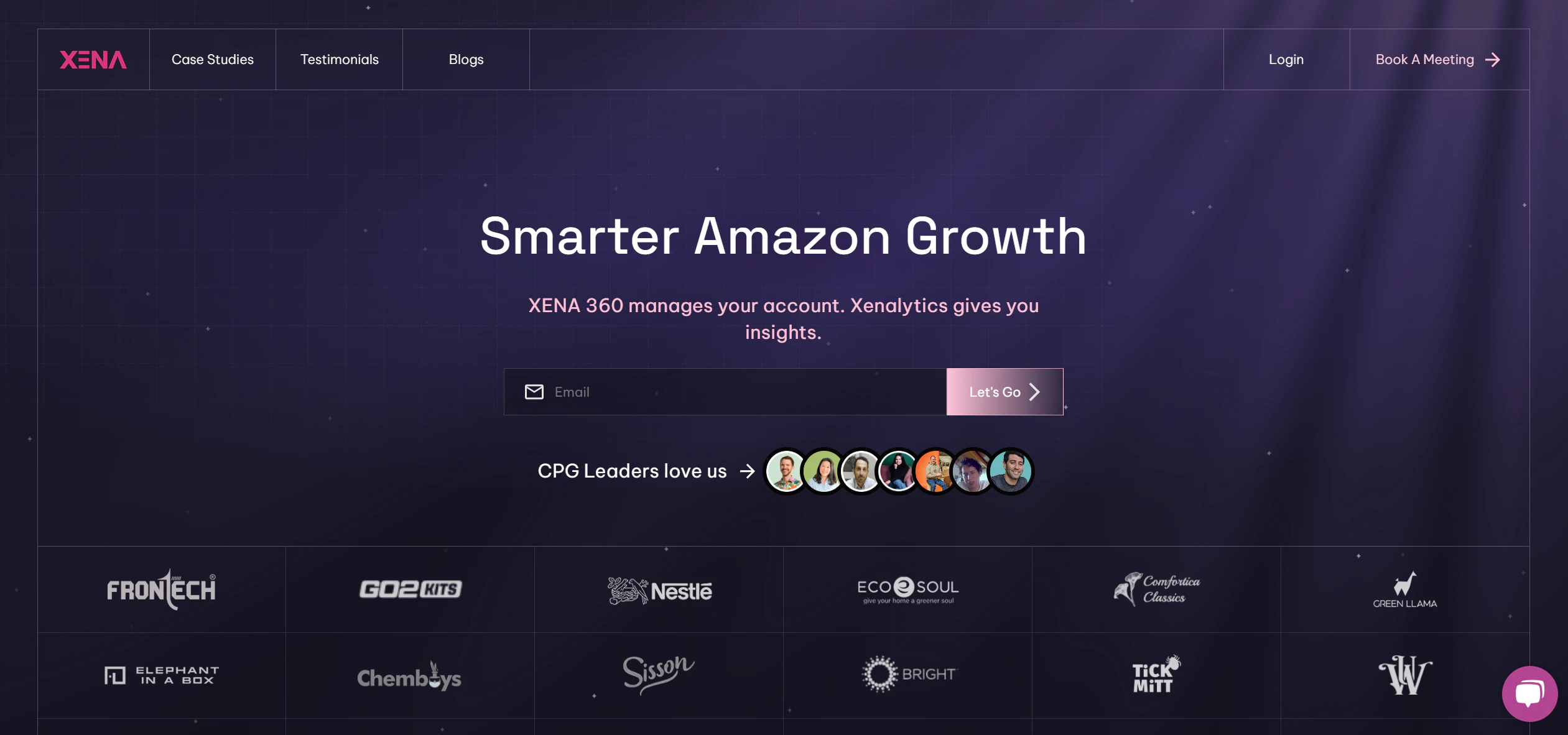
Xena Intelligence
Amazon growth analytics for CPG brands
▲ 67 votes

Betterteem
AI attrition forecasting for workforce teams
▲ 67 votes

Greenmentor.co
ESG training and carbon management platform
▲ 66 votes

MyGigsters
Payments infrastructure for gig economy platforms
▲ 64 votes

Rey Assurance
Digital health app for care and insurance workflows
▲ 62 votes