
Tellme
The conversational layer for the real world
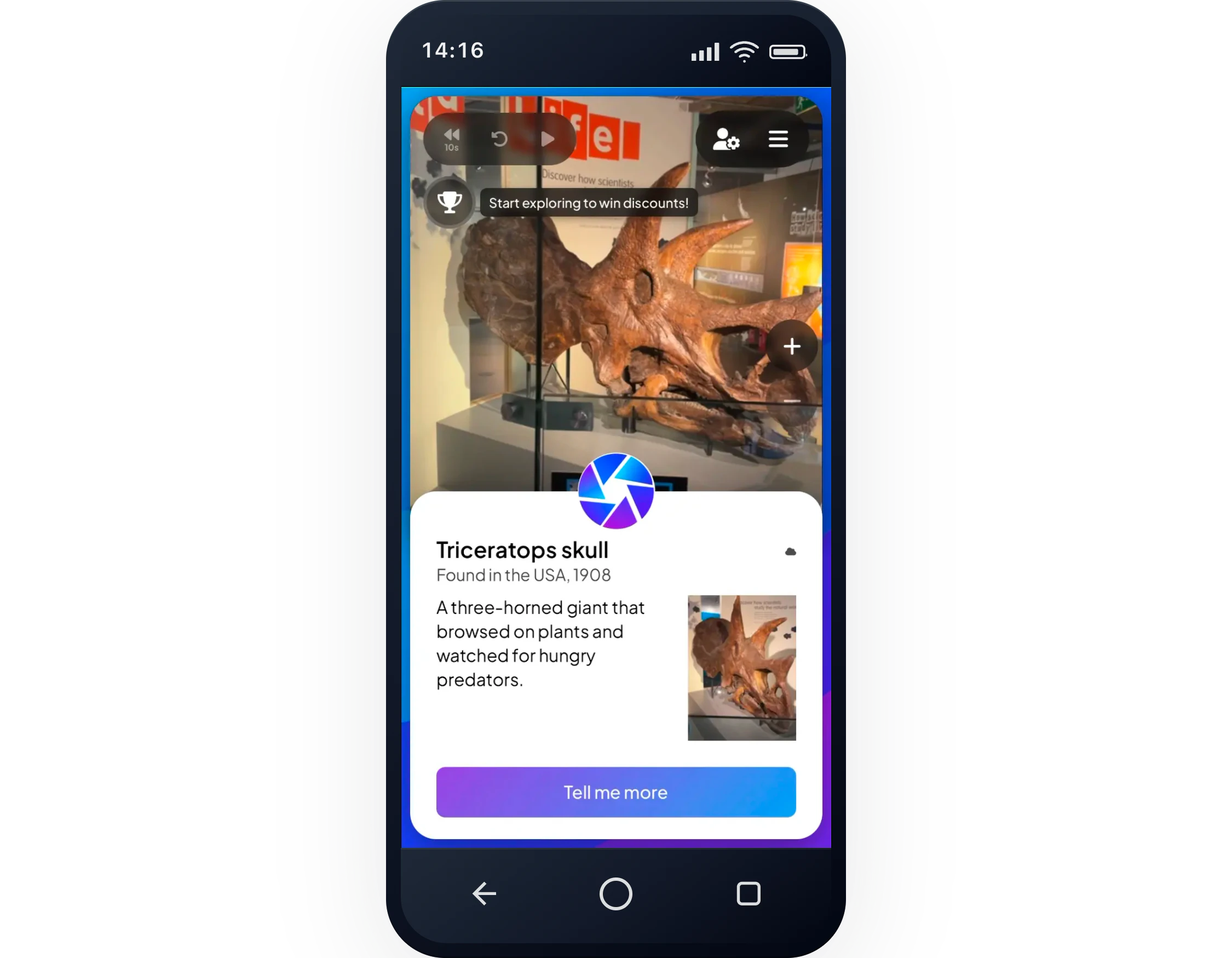
Tellme turns any physical object or place into a conversational AI experience. Point your phone at museum exhibits, artworks, or real-world objects and instantly ask questions, explore stories, and receive personalised answers powered by computer vision and generative AI. Already live across museums in the UK with thousands of visitor interactions.
AI Analysis
Tellme transforms any physical object or place into a conversational AI experience. Users point their phone at museum exhibits, artworks, or real-world items to ask questions and receive instant, personalized answers using computer vision and generative AI. Key USPs include creating an interactive 'conversational layer for the real world' with dynamic storytelling. It solves pain points like passive visitor engagement, lack of on-demand information, and impersonal experiences at cultural sites. The value proposition is enhancing learning and exploration through accessible, tailored interactions, already proven with thousands of visitor engagements across UK museums.
The timing is favorable for 2025-2026 as multimodal AI (vision + language models) reaches maturity, enabling reliable real-world applications. Rising demand for immersive, personalized experiences in tourism, education, and culture aligns with post-pandemic recovery and smartphone AI integration. Supportive tech trends and economic focus on digital innovation in the cultural sector make it ideal. Excellent Timing.
High. The product is already deployed live in UK museums with real user interactions, proving technical viability of integrating CV and GenAI. While AI inference and maintenance costs are notable, scalability via cloud is strong. Low regulatory risks for cultural applications and good expansion potential. Key risks are computer vision accuracy in varied environments, but current success supports high feasibility.
Primary segments: Cultural institutions (museums, galleries, heritage sites) and their visitors (tourists, students, educators, families aged 18-55). Focused on UK with global expansion potential in Europe and beyond. Core pain points: disengaged visitors and limited personalized guidance. The museum tech and edutainment market shows strong growth. Institutions have high willingness to pay for engagement tools via licensing; visitors may access via free tiers or venue partnerships.
Medium. Direct competitors: 1. Smartify (smartify.org), 2. Blippar (blippar.com), 3. Zappar (zappar.com), 4. Cuseum (cuseum.com), 5. GuidiGO (guidigo.com). Advantages: Unique generative AI for dynamic, personalized conversations beyond static AR overlays or pre-scripted content; proven museum deployments. Disadvantages: Newer entrant with potentially higher GenAI running costs; narrower current geographic footprint and less brand recognition compared to established AR platforms.
Upgrade Pro to unlock full AI analysis
Similar Products

Oumua Inc
AI-guided breathing trainer with companion app
▲ 70 votes

Chat Cash
AI commerce OS for WhatsApp and Instagram sales
▲ 70 votes
Sapien Labs
In-silico trial engine for psychiatry programs
▲ 66 votes
Blueberries
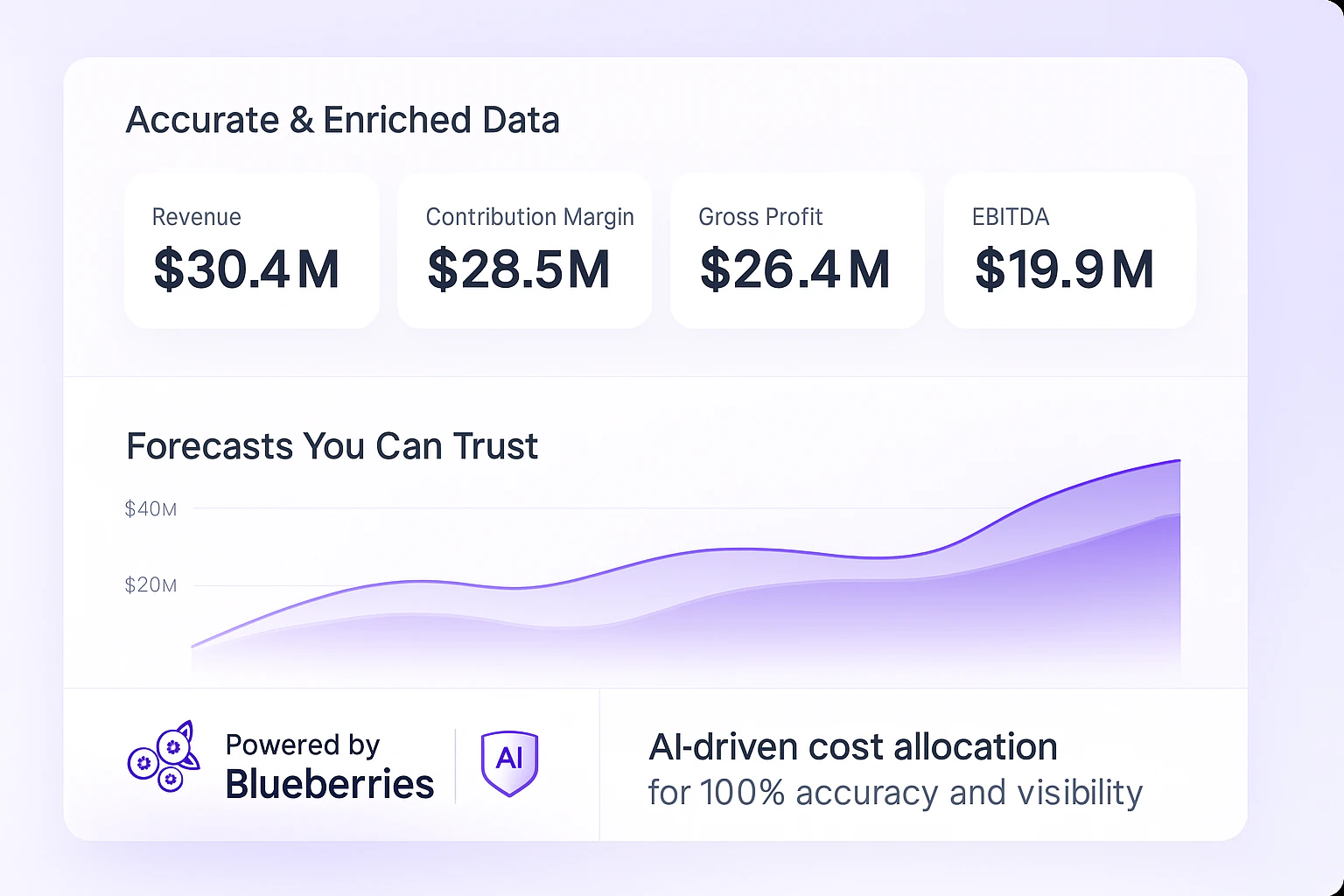
FP&A automation and forecasting for finance teams
▲ 64 votes

Kem
Crypto wallet for payments, transfers, and gold
▲ 64 votes

Relocal
Healthcare hiring and relocation platform
▲ 62 votes