
Gradient Bang
Massively multi-player game played by talking to an LLM
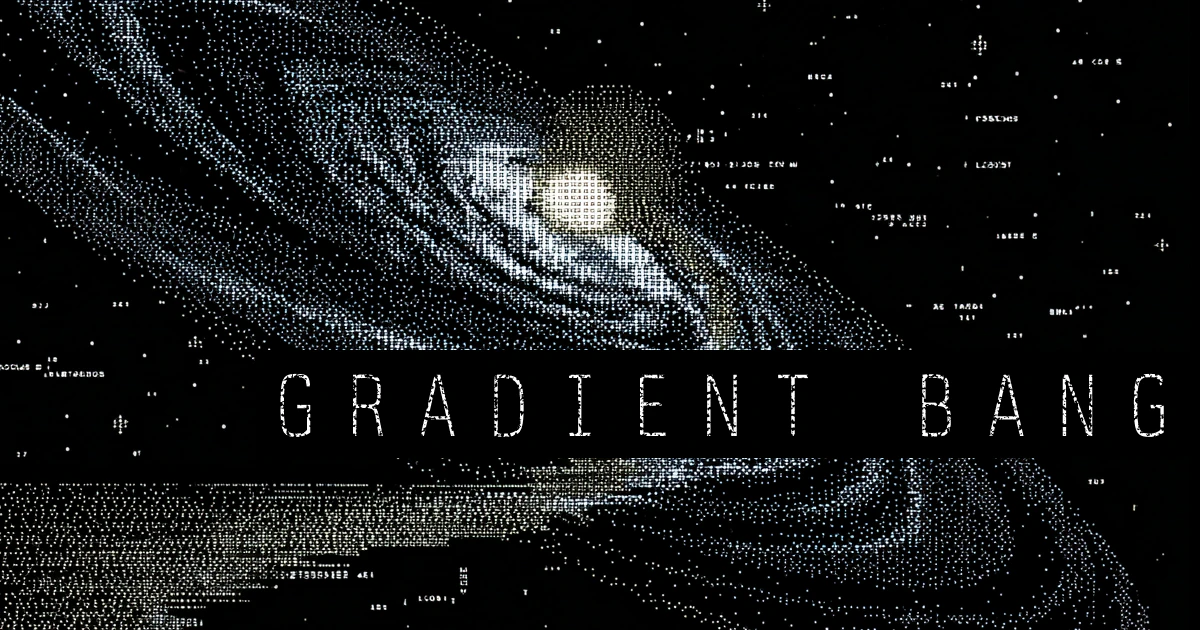
Gradient Bang is a new kind of software: AI-native, built from the ground up to use LLMs everywhere. The game has a dynamic user interface driven by an LLM, conversational voice input, and to win you have to manage a fleet of AI subagents. You can even program your own subagents and run them in Vercel Sandboxes. Built with Pipecat, Daily WebRTC, Supabase, Vercel.
AI Analysis
Gradient Bang is an AI-native massively multiplayer game where players interact via conversational voice input with LLMs. Core features include a dynamic LLM-driven UI, managing fleets of AI subagents, and programming custom subagents deployed in Vercel sandboxes. Built with Pipecat, Daily WebRTC, and Supabase. It solves user pain points of static, non-adaptive traditional games by delivering immersive, intelligent, evolving gameplay. Unique selling points are deep LLM integration across the experience and agent programmability. Overall value proposition is blending entertainment with hands-on AI exploration in a social, competitive format.
In 2025-2026, market timing is favorable due to maturing LLM capabilities, falling inference costs, widespread adoption of voice AI interfaces, and surging demand for agent-based applications beyond basic chat. Industry trends favor AI-native games as users seek novel, interactive experiences. The supporting tech stack is production-ready. Policy support for AI innovation and positive economic tailwinds for tech further help. Excellent Timing.
Overall feasibility is Medium. Technical difficulty is notable for real-time voice LLM orchestration, multi-agent coordination, and scalable multiplayer syncing. Operational costs from LLM calls and WebRTC could be high. Supply chain/compliance risks are moderate (AI usage policies). However, leveraging mature tools like Pipecat, Supabase, and Vercel improves development speed and scalability potential. Requires experienced AI/full-stack team. Key risks center on cost control and delivering polished, engaging gameplay loops.
Main segments: Tech enthusiasts, AI hobbyists and developers, gamers seeking innovative experiences (ages 18-35, predominantly male, concentrated in US/Europe/China tech hubs). Industries: consumer gaming, AI experimentation/education. Estimated market size: TAM for AI-enhanced gaming tools and experiences exceeds several billion USD by 2026; SAM for LLM/voice-driven games is a fast-growing niche in the hundreds of millions; SOM for this agent-management format starts in low tens of millions. Core pain points: lack of truly adaptive and conversational game worlds. Willingness to pay: moderate-high via freemium or subscriptions for advanced features.
Low. Direct competitors: 1. AI Dungeon (aidungeon.io), 2. Character.AI (character.ai), 3. Inworld AI (inworld.ai), 4. AI Town by a16z (github.com/a16z-infra/ai-town). Gradient Bang differentiates strongly with voice-first multiplayer, programmable subagents in live sandboxes, and fully dynamic LLM UI versus mostly text or NPC-focused rivals. Advantages: deeper agent management and modern tech integration. Disadvantages: newer product with less established content ecosystem and potential higher barriers to entry for non-technical users.
Upgrade Pro to unlock full AI analysis
Similar Products

Cohere Parse 5
Turn complex docs, tables & images into AI-ready data
▲ 158 votes

Opaline
PostHog for team Claude Code and Codex sessions.
▲ 141 votes

Adapt
The company brain that gets work done
▲ 124 votes

Tapfree for Chrome
Voice dictation that adapts to what’s on your screen
▲ 122 votes

React UI Kit V7
All the chat components you need. None of the complexity
▲ 115 votes

Coarena by Coasty
The arena where agents battle on real-world work
▲ 104 votes