
Modelence Mobile Builder
Build mobile apps by chatting with AI
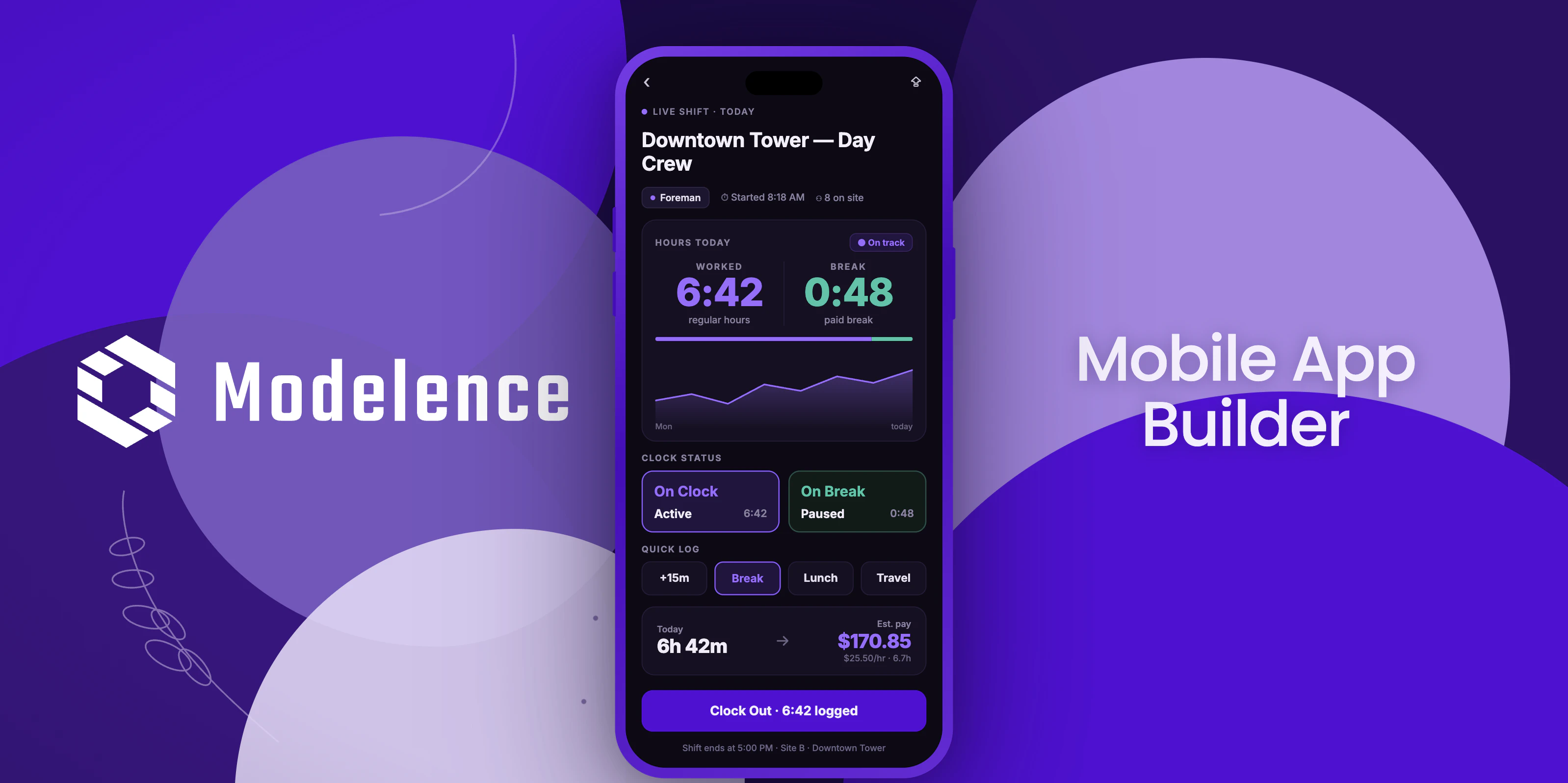
Now Modelence App Builder has support for creating native mobile apps. Just like web apps, describe what you want and get a fully working mobile app, working in sync with your Modelence auth and backend.
AI Analysis
Modelence Mobile Builder enables users to create native mobile apps by chatting with AI, describing desired features in natural language. It generates fully functional apps that sync with Modelence authentication and backend services, extending their existing web app builder. Core features include conversational AI development for iOS/Android, seamless backend integration, and rapid iteration without traditional coding. It solves key pain points like high development costs, need for specialized mobile dev skills, and slow time-to-market for entrepreneurs and teams. USP is the intuitive chat-to-app workflow for both web and mobile, making app building accessible and efficient. Value proposition: Democratize native mobile development for faster innovation.
The 2025-2026 period is favorable due to maturing generative AI and LLM technologies enabling sophisticated code/app generation, surging demand for no-code tools amid digital transformation, and economic pressures favoring low-cost rapid development solutions. Mobile app markets continue expanding with AI integration trends. Policy support for AI innovation adds tailwinds. This represents Excellent Timing as the technology has advanced enough for practical AI app builders while user adoption of similar tools is accelerating.
Technical difficulty is moderate since it builds upon their existing web app AI builder, leveraging similar models for mobile frameworks like React Native or Flutter. Development and operation costs involve significant AI inference expenses but are scalable via cloud. App store compliance and ensuring 'fully working' complex apps pose risks. Scalability potential is high with usage-based pricing. Team fit assumes strong AI expertise from web version. Overall rating: Medium. Key reasons include proven web foundation but challenges in generating reliable native mobile experiences across devices.
Main target segments: Indie hackers, non-technical entrepreneurs, small business owners, and developers seeking rapid prototyping (ages 25-40, tech-oriented). Industries: SaaS, e-commerce, consumer apps. Geographic: Global with strong US/Europe adoption. TAM for no-code/low-code platforms exceeds $15B by 2025; SAM for AI mobile tools ~$2-3B; SOM for conversational AI builders ~$300-500M. Core pain points: Expensive hiring of mobile devs and lengthy development cycles. Willingness to pay is high for subscription tiers that save weeks of engineering time.
Competition level: Medium. Direct competitors: 1. FlutterFlow (flutterflow.io), 2. Adalo (adalo.com), 3. Glide (glideapps.com), 4. Bubble (bubble.io - with mobile web), 5. Draftbit (draftbit.com). Advantages: Unique pure chat-based AI interface vs visual drag-and-drop, tight integration with Modelence auth/backend for end-to-end sync, faster from idea to native app. Disadvantages: Potentially less control over fine UI details compared to visual builders, dependency on AI accuracy which may require iterations, and newer entrant with less established community/ecosystem than competitors.
Upgrade Pro to unlock full AI analysis
Similar Products

Auriko
Trading desk for LLM calls
▲ 332 votes

Opaline
PostHog for team Claude Code and Codex sessions.
▲ 141 votes

React UI Kit V7
All the chat components you need. None of the complexity
▲ 115 votes

Replay QA Security Scan
Automated Penetration Testing for AI-Built Apps
▲ 102 votes

CodeBurn
See where your AI coding spend actually goes
▲ 101 votes

Refoid
Automate App Store refund responses and track every outcome
▲ 68 votes