
Monako Glass
Run AI coding agents hands-free from a heads-up display
Monako Glass is a 48g wearable running Buildroot Linux with a waveguide display, bone conduction mic, and gesture input. Lets developers run Claude Code, Codex, or any coding agent hands-free from glasses. Reservation-only, ships July-August 2026.
AI Analysis
Monako Glass is a 48g lightweight wearable running Buildroot Linux, featuring a waveguide display, bone conduction mic, and gesture input. It allows developers to run AI coding agents like Claude Code or Codex completely hands-free via heads-up display. Unique selling points include seamless, on-the-go coding without laptops or screens. It solves key pain points for programmers such as context switching, limited mobility during multitasking, and dependency on traditional devices. The value proposition is boosted productivity for developers by enabling coding while walking, commuting, or performing other tasks. Currently reservation-only, with shipments scheduled for July-August 2026.
In 2025-2026, AI coding agents are rapidly advancing with models like Claude, while lightweight AR hardware and wearables are maturing. User demand for hands-free productivity tools is growing amid remote/hybrid work trends and AI integration in daily workflows. Economic environment supports AI innovation despite some hardware supply challenges. This aligns well as the product ships when AI agents become more reliable and AR glasses gain consumer acceptance. Rating: Excellent Timing.
High technical difficulty integrating Linux OS, precise waveguide optics, gesture recognition, bone conduction, and AI agent compatibility into a 48g device. Significant development and manufacturing costs for custom hardware, plus supply chain risks for specialized components and regulatory compliance (wearable safety standards). Scalability challenging for small production runs. Team expertise in both hardware and AI needed. Overall rating: Medium, as it builds on existing AR tech but faces execution hurdles.
Main target users: Software developers, AI/ML engineers, indie hackers, and programmers (ages 25-40, tech-savvy, predominantly male), concentrated in US, Europe, China, and India tech hubs. Industries: Software engineering, startups, freelance coding. Estimated TAM: Part of $50B+ global AR/wearables market; SAM: ~$2B developer productivity tools; SOM: $100M+ for niche AI dev wearables. Core pain points: Inability to code hands-free while mobile and frequent context switching. High willingness to pay ($400-1000) for productivity gains.
Competition level: Medium. Direct competitors: 1. Brilliant Labs Frame (brilliant.xyz) - AI-powered smart glasses. 2. Vuzix Blade (vuzix.com) - AR glasses for enterprise. 3. Xreal Air (xreal.com) - Lightweight AR glasses for productivity. 4. Ray-Ban Meta Smart Glasses (meta.com). 5. North Focals (by Google). Advantages: Highly specialized for hands-free AI coding agents with Linux, bone conduction, and developer-focused gestures; ultra-light at 48g. Disadvantages: Ships much later (2026) vs. competitors' current availability; limited proven track record; higher uncertainty in real-world AI integration and battery life compared to more general-purpose AR glasses.
Upgrade Pro to unlock full AI analysis
Similar Products
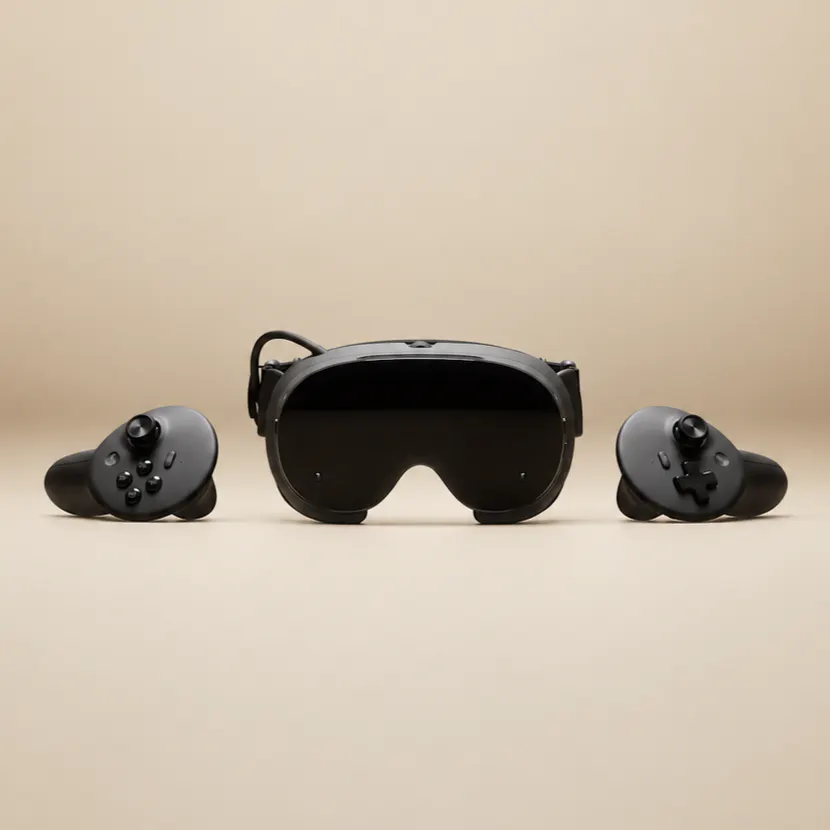
Steam Frame
Your Steam library, now on a wearable PC
▲ 135 votes
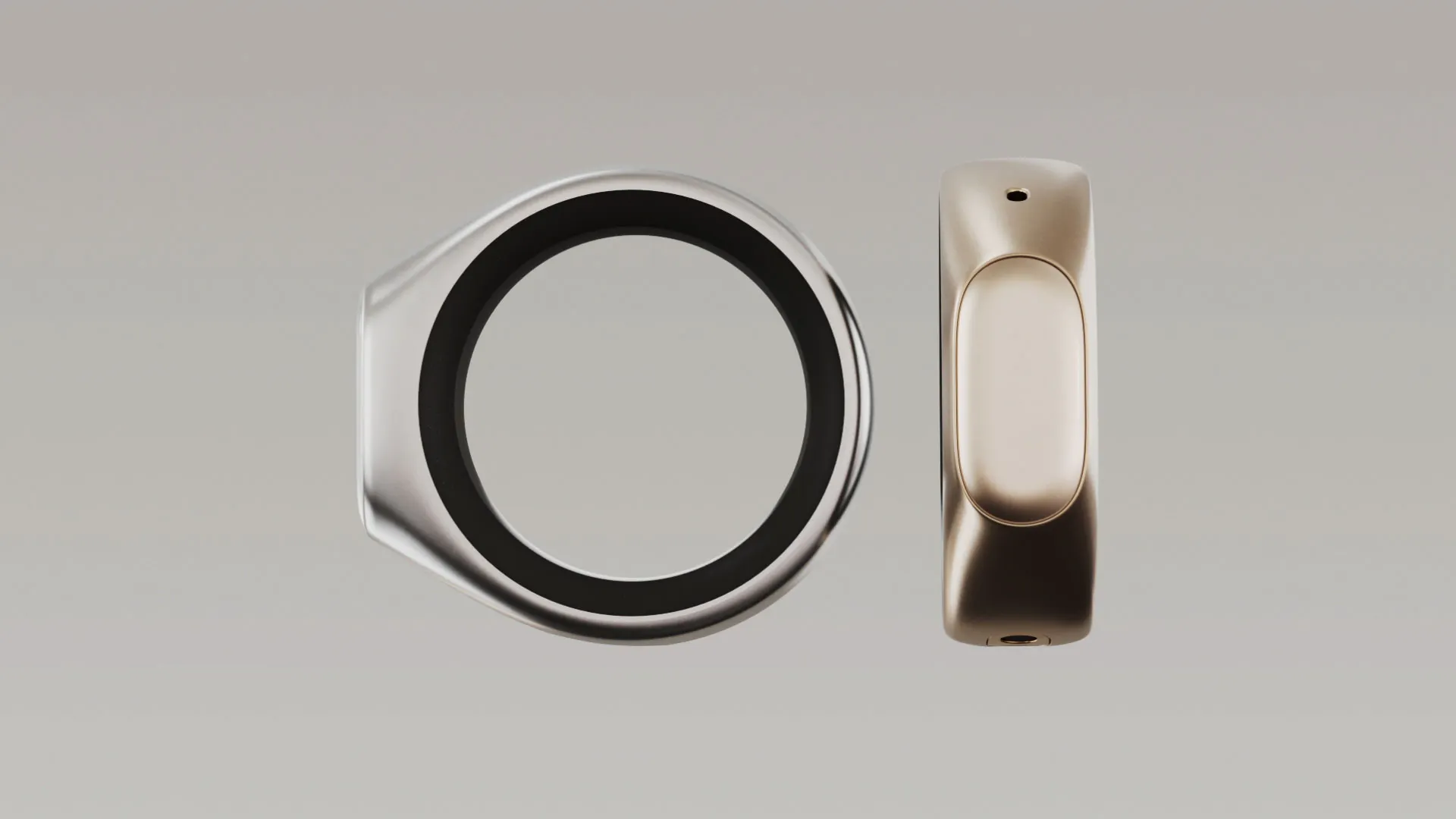
Universal Dictation on Stream
Private Voice Ring for dictation across iOS & Mac
▲ 119 votes

Bee Frontier and Bee Eclipse
Amazon's personal AI memory, now on your wrist or phone
▲ 91 votes

Destiny Rings
Proximity-powered dating, social & networking
▲ 89 votes
CircadiaOS
Sleep optimization, minus the $3,000 mattress pod
▲ 89 votes
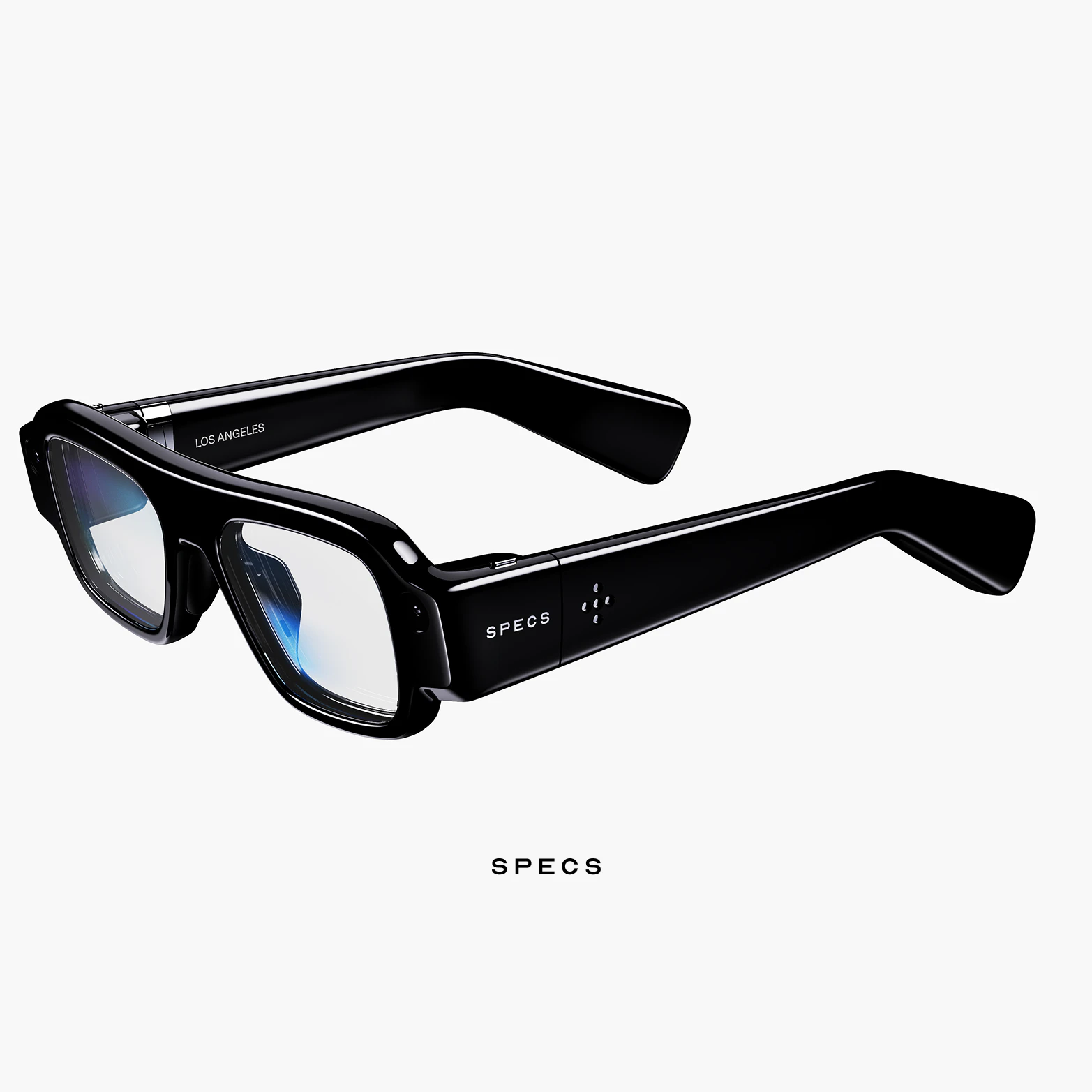
Snapchat SPECS
Powerful computer built into lightweight see-through glasses
▲ 85 votes