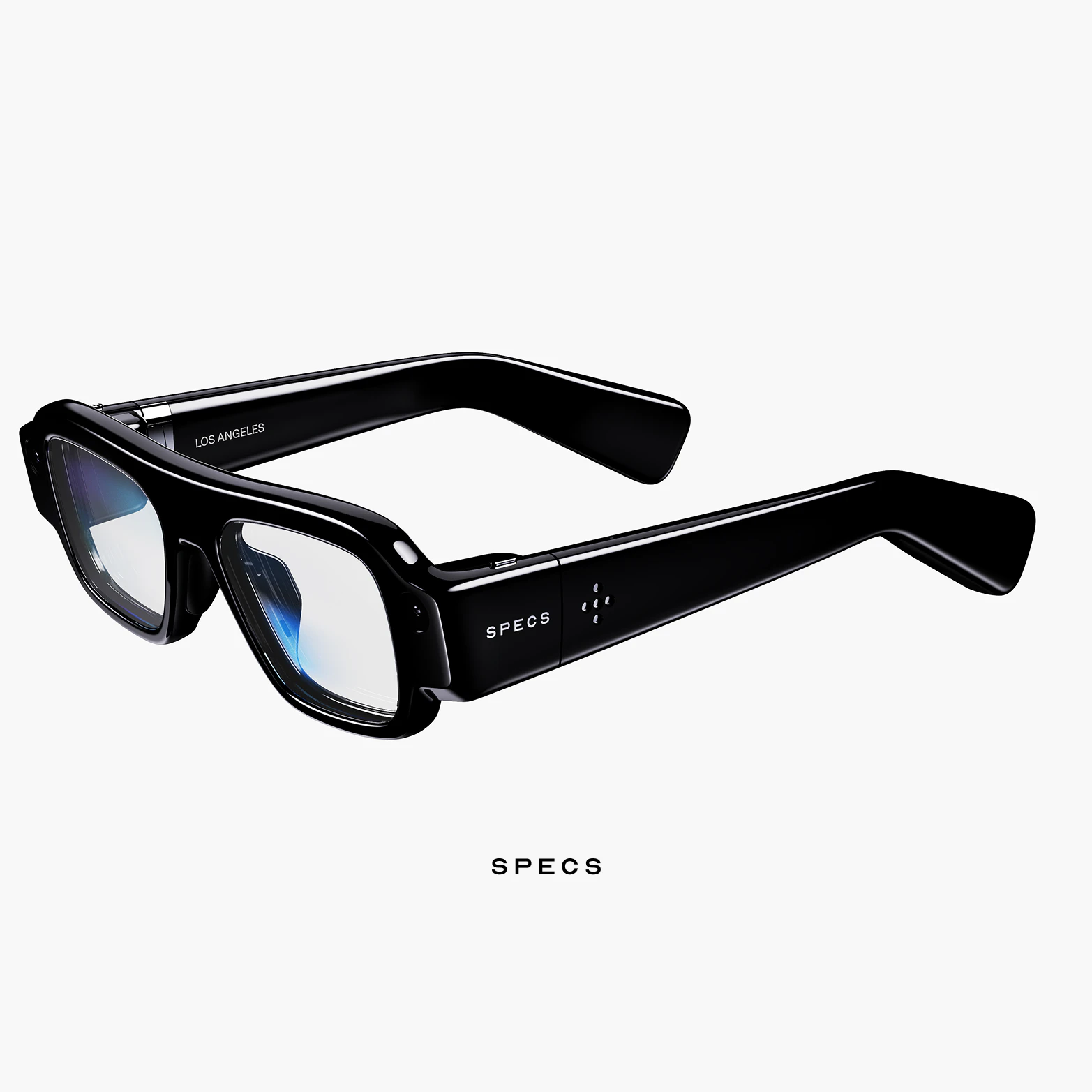
Snapchat SPECS
Powerful computer built into lightweight see-through glasses
SPECS bring computing into the world around you, so you can learn, work, and play while staying present in the moment.
AI Analysis
Snapchat SPECS are lightweight see-through AR glasses integrating a powerful computer for real-time digital overlays. Core features include hands-free AR for navigation, learning, social interactions, gaming, and productivity while staying present in the physical environment. Unique selling points are seamless blending of AR content via Snapchat's lens ecosystem without bulky headsets or phone distractions. It addresses pain points like constant device checking, reduced real-world presence, and isolated VR experiences. The value proposition is making computing invisible to enhance everyday moments for learning, work, and play.
For 2025-2026, timing is favorable due to maturing AR display and AI technologies, rising demand for spatial computing, reduced screen-time concerns, and industry momentum from players like Meta and Apple. Post-pandemic user preferences favor less intrusive devices that maintain real-world presence. Economic recovery supports premium hardware adoption, though privacy regulations remain a factor. Overall: Excellent Timing.
Technical difficulty is high due to challenges in miniaturizing processors, see-through waveguide displays, battery life, and heat dissipation in lightweight form. Development and operation costs are substantial for hardware iterations and server-side AR processing. Supply chain risks exist for specialized optics/components, plus compliance with safety, privacy (camera data), and regional regulations. Snapchat's prior Spectacles experience aids team fit and scalability. Rating: Medium.
Primary segments: Snapchat's core demographic of teens and young adults (13-34 years), tech enthusiasts, content creators, educators, and remote workers in North America, Europe, and urban Asia. Industries include education, gaming, social media, and light productivity. Estimated TAM for consumer AR glasses ~$15-20B by 2026; SAM for social/consumer AR ~$5B; SOM for Snapchat-integrated devices ~$500M-$1B. Core pain points: device distraction and lack of immersive yet present experiences. High willingness to pay ($500+) among engaged users.
Competition Level: High. Direct competitors: 1. Meta Ray-Ban Smart Glasses (meta.com/ray-ban-stories), 2. Xreal Air 2 AR Glasses (xreal.com), 3. Vuzix Blade (vuzix.com), 4. Google Project Astra glasses prototypes (google.com), 5. Apple Vision Pro (apple.com/apple-vision-pro). Advantages: native Snapchat AR Lenses integration, social features, and focus on lightweight everyday presence. Disadvantages: faces strong competition from better-funded rivals with superior battery/display tech; past Spectacles had adoption hurdles; higher privacy concerns and potentially premium pricing vs. some competitors.
Upgrade Pro to unlock full AI analysis
Similar Products

Midjourney Scanner
60 second ultrasound-based full-body scanner that beats MRI
▲ 206 votes
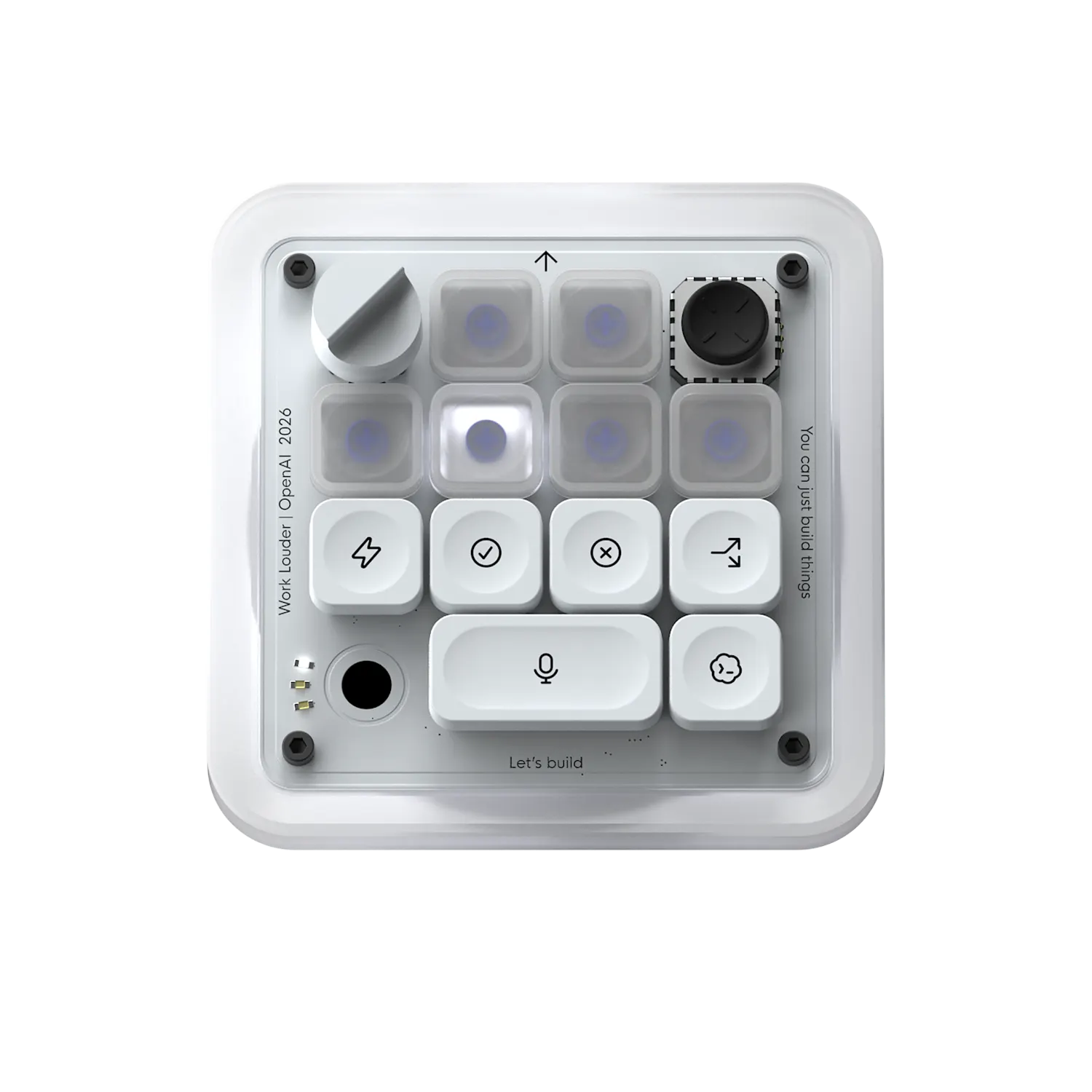
Codex Micro
Tactile controls for your Codex agents
▲ 205 votes
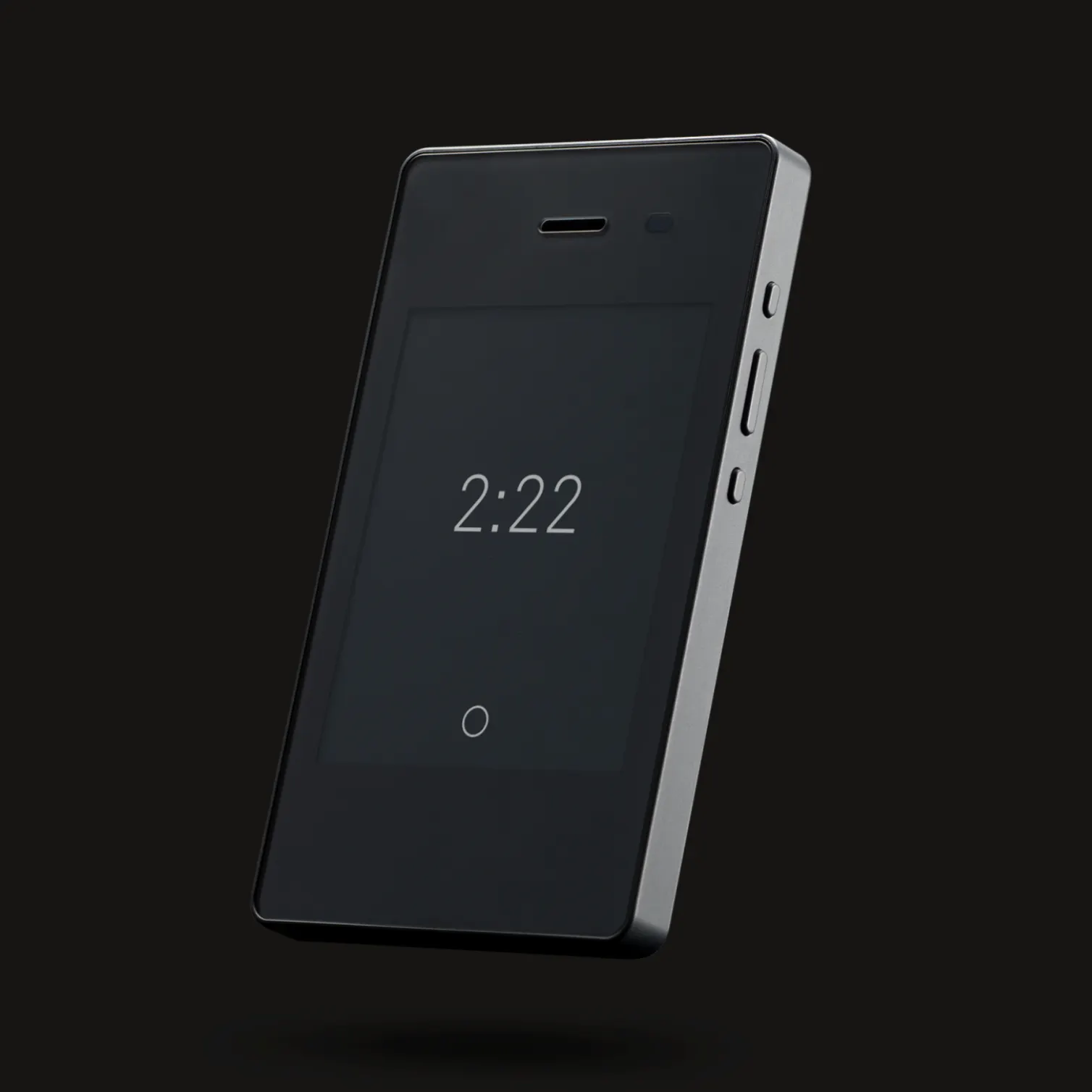
Light Flip
Nostalgia for a time before smartphones
▲ 138 votes
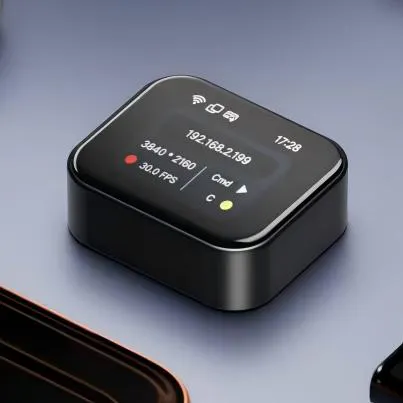
NanoKVM-Go
Give your AI agent physical control over any screen
▲ 110 votes

Sutra
Decision Intelligence for hardware teams
▲ 101 votes

KiHub
Hardware review platform for KiCad projects
▲ 92 votes