
MotionID by MotionAnalytics
Turning Motion into Identity
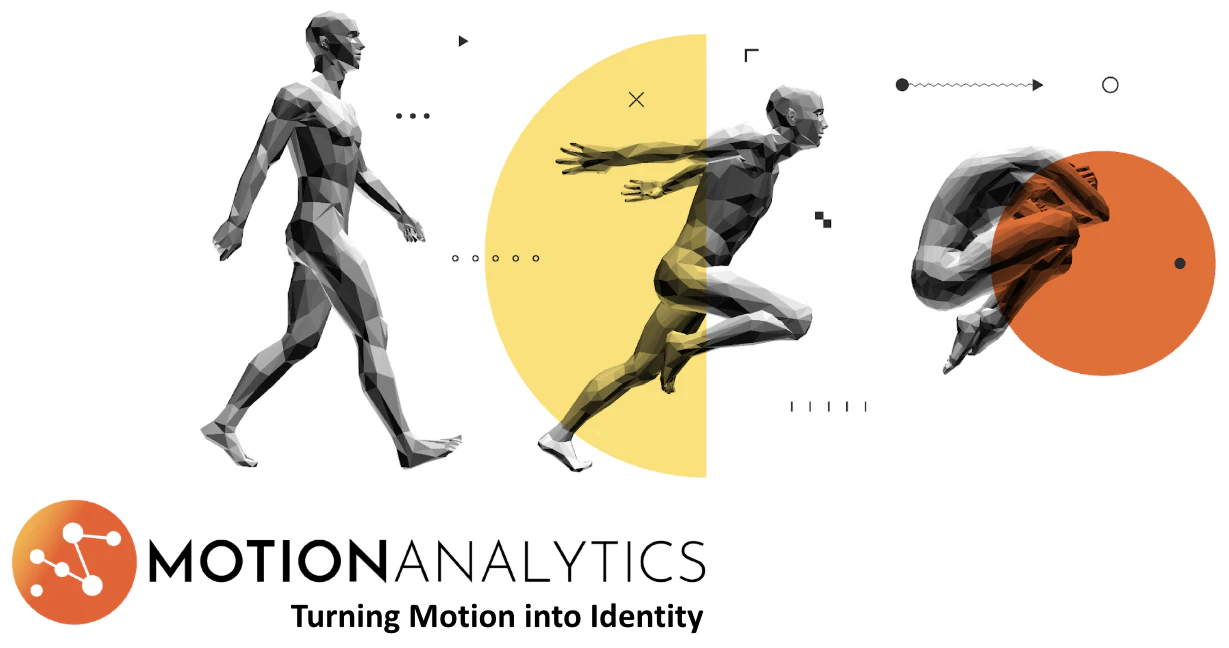
MotionID identifies people by how they move, not by faces, clothing, or devices. Using proprietary biomechanical AI, MotionID converts standard ground and aerial video into unique motion signatures that enable reliable identification across cameras and in conditions where traditional systems fail, including low-quality, distant, degraded, or face-obscured footage. It has already been validated in paid homeland security pilots using real operational video. Turning motion into identity.
AI Analysis
MotionID by MotionAnalytics uses proprietary biomechanical AI to identify people by their unique motion patterns from standard ground and aerial video. It generates motion signatures that work reliably across cameras in low-quality, distant, degraded, or face-obscured conditions where facial or device-based systems fail. Core features include video-to-signature conversion and cross-scenario identification. It solves critical pain points in surveillance and security, such as ineffective traditional biometrics in challenging footage. Validated in paid homeland security pilots with real operational video, the value proposition is turning motion into a robust, privacy-friendly identity solution for defense and public safety.
In 2025-2026, AI video analytics is maturing rapidly with improved model accuracy and edge computing. Rising privacy regulations are pushing alternatives to facial recognition, while global security threats and drone usage increase demand for robust aerial/ground identification. Economic focus on AI-driven defense tech and validated pilots align perfectly. Excellent Timing.
Technical difficulty is significant for training accurate biomechanical models on diverse video, yet feasibility is supported by existing validation in real homeland security pilots. Development and operation costs are high for AI infrastructure and data processing. Compliance risks are elevated in security sectors but pilots indicate regulatory pathways exist. Scalability potential is strong once deployed across video sources. Team appears well-fit for AI tech. Overall: High.
Main target segments: Homeland security agencies, law enforcement, defense contractors, and government surveillance operators (primarily North America, Europe, and regions with advanced security infrastructure). Estimated market size within the large and growing AI/security sector (specific TAM/SAM/SOM not detailed on site). Core pain points: unreliable identification in poor quality or masked footage. Demonstrated willingness to pay via paid operational pilots.
Medium. Direct competitors: 1. Watrix (watrix.ai) - gait recognition for video surveillance; 2. Neurotechnology Gait SDK (neurotechnology.com) - biometric gait analysis tools; 3. BriefCam (briefcam.com) - video analytics platform; 4. Sensifai (sensifai.com) - AI video behavior analysis. Advantages: proprietary biomechanical approach works across aerial/ground video with superior performance in degraded conditions and real pilot validation. Disadvantages: newer player with less brand recognition, limited public details on pricing and broad deployment scale compared to established surveillance vendors.
Upgrade Pro to unlock full AI analysis
Similar Products

Cohere Parse 5
Turn complex docs, tables & images into AI-ready data
▲ 158 votes

Opaline
PostHog for team Claude Code and Codex sessions.
▲ 141 votes

Adapt
The company brain that gets work done
▲ 124 votes

Tapfree for Chrome
Voice dictation that adapts to what’s on your screen
▲ 122 votes

React UI Kit V7
All the chat components you need. None of the complexity
▲ 115 votes

Coarena by Coasty
The arena where agents battle on real-world work
▲ 104 votes