
Skylive
Never miss a celestial event, anywhere on Earth
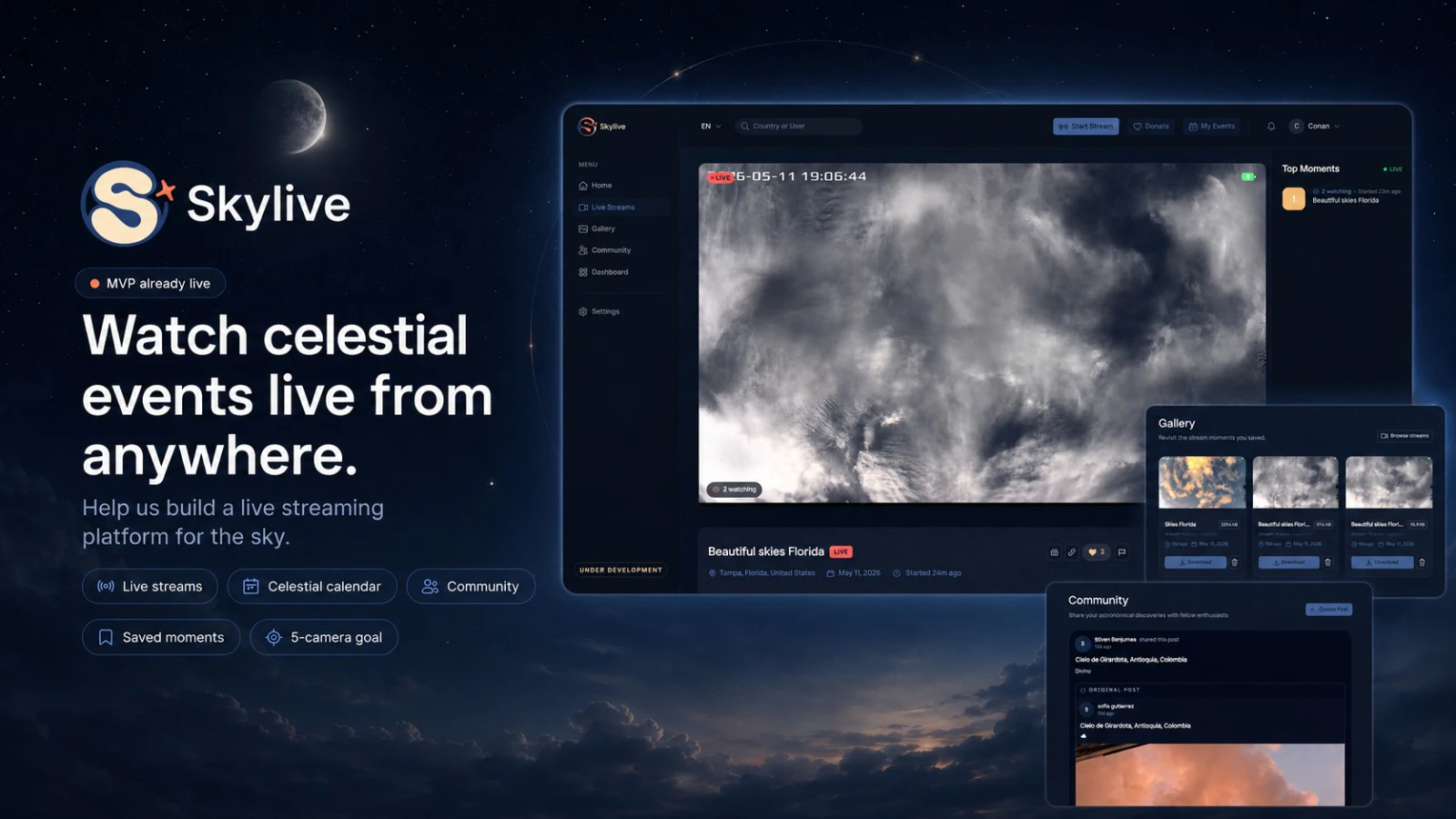
SkyLive is creating the world's first community-powered network of sky cameras. Our mission is to deploy cameras across the globe, enabling people to watch celestial events live regardless of weather, location, or time zone. By combining real-time streaming, global coverage, and event tracking, SkyLive makes astronomy more accessible than ever before.
AI Analysis
SkyLive is building the world's first community-powered network of sky cameras for live streaming celestial events globally. Core features include real-time streaming, event tracking, global coverage, and accessibility regardless of weather, location or time zone. It solves main user pain points such as missing astronomical events due to clouds, light pollution or geographic barriers. Unique selling points are its crowdsourced camera deployment and democratizing astronomy. The value proposition is making the wonders of the sky accessible to everyone through technology and community participation.
Favorable for 2025-2026 with rising public interest in space (Artemis missions, commercial spaceflight), mature IoT camera and 5G streaming tech, growing demand for virtual/remote experiences due to climate variability affecting weather, and policy support for STEM education. Excellent Timing.
Medium. Streaming and camera tech is mature with low technical barriers for core streaming, but high costs for global hardware deployment, logistics, and maintenance. Community-powered model aids scalability but introduces quality/consistency risks and multi-region compliance challenges. Requires strong ops team.
Primary segments: astronomy enthusiasts, amateur astronomers, STEM educators/students, science-curious public (ages 18-55). Global distribution with concentration in North America/Europe/Asia urban areas affected by light pollution. TAM: global astronomy edutainment market (~$1-2B); SAM: digital live space content (~$200-400M); SOM: community astro streaming (initially $10-50M). Pain points: inaccessible events. Moderate-high willingness to pay for premium access.
Medium. Direct competitors: Slooh (slooh.com), Telescope.Live (telescope.live), iTelescope (itelescope.net), Virtual Telescope Project (virtualtelescope.eu). Advantages: unique community-powered sky cam network for broad free live access vs paid pro telescopes; better weather independence. Disadvantages: likely lower image quality/resolution than dedicated observatories; relies on user-deployed cameras so coverage builds slowly; less established brand.
Upgrade Pro to unlock full AI analysis
Similar Products

DualStream
Simultaneous desktop and mobile streaming, the easy way.
▲ 123 votes
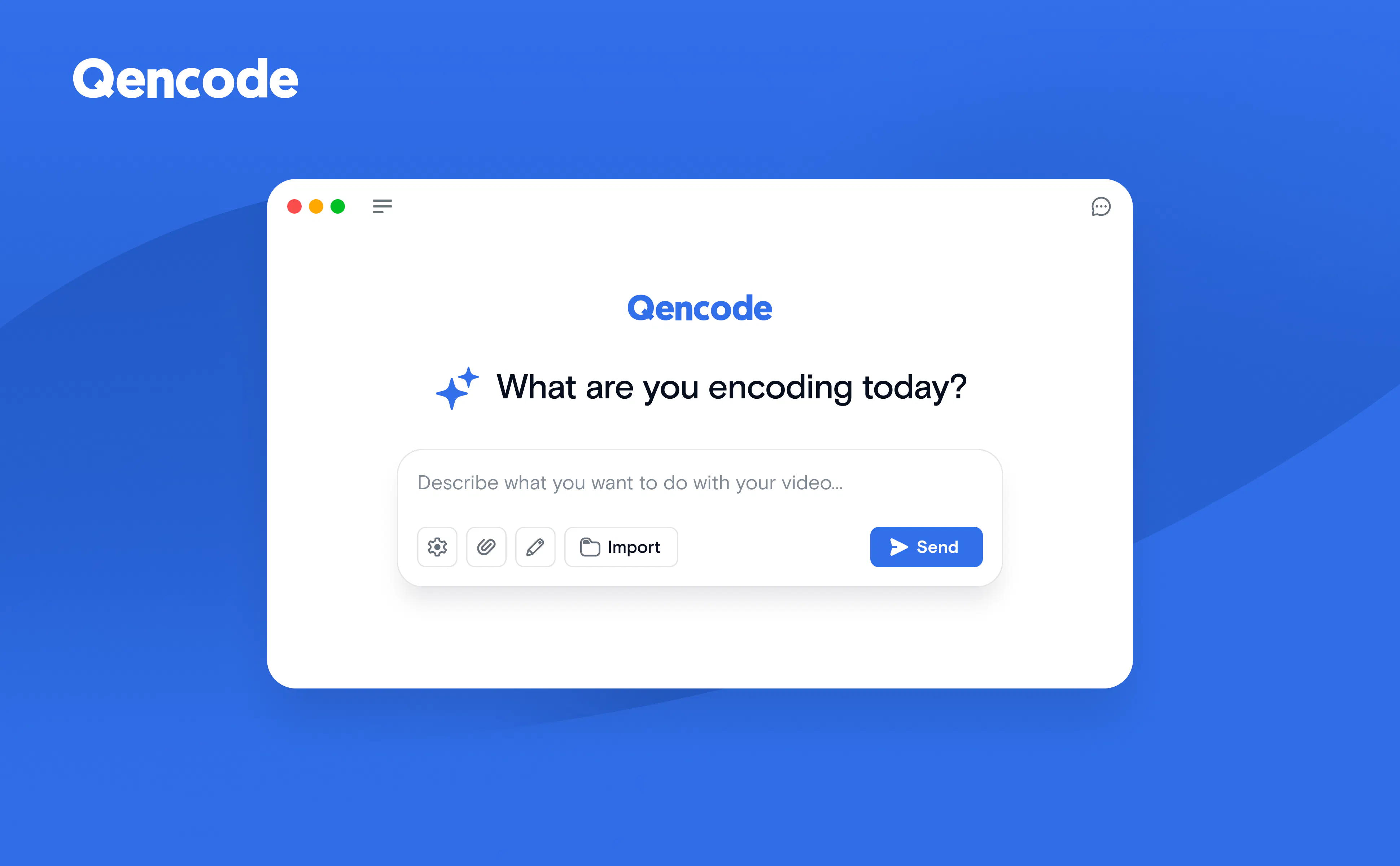
Qencode MCP
Let AI agents transcode and process video
▲ 103 votes

SUB/WAVE
Self-hosted radio with an AI DJ and one shared stream
▲ 103 votes

pleNx — Plex client for Nintendo Switch
The first native Plex client for Nintendo Switch
▲ 80 votes
OVO
Play local music, SoundCloud & streams across apple devices
▲ 75 votes

Sublern
Translate any word in video subtitles with one hover
▲ 74 votes