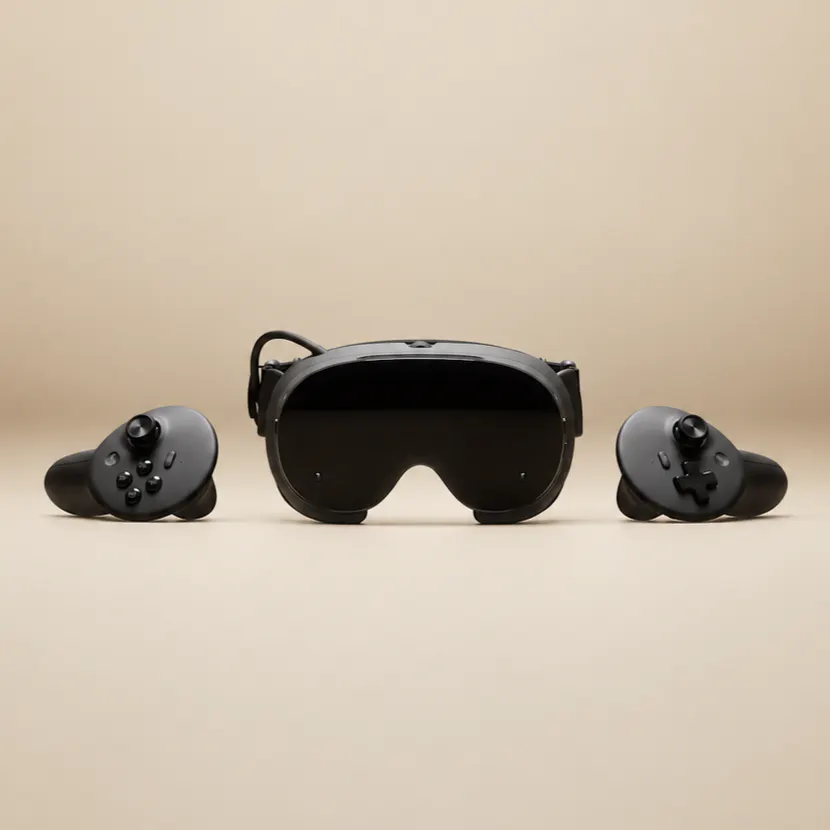
Steam Frame
Your Steam library, now on a wearable PC
Steam Frame is a wireless SteamOS headset that streams your whole library from a PC, Deck, or Machine, and runs standalone titles too. Dual radios plus an included adapter keep streaming stable. The controllers work as VR wands and a full gamepad.
AI Analysis
Steam Frame is a wireless SteamOS VR headset that streams your full Steam library from a PC, Steam Deck, or compatible machine, while supporting standalone titles. It features dual radios and an included adapter for stable, low-latency connections. Versatile controllers function as both VR wands and a complete gamepad. It addresses key pain points like tethered cables restricting movement, complex VR setups, and limited access to PC game libraries on the go. The value proposition is delivering a portable, all-in-one wearable PC experience for seamless Steam gaming in VR or traditional modes, combining PC power with wireless freedom.
The current market timing is favorable for 2025-2026 due to maturing wireless streaming tech (e.g. Wi-Fi 7), growing adoption of hybrid VR/AR devices following Meta Quest and Apple Vision Pro success, rising demand for untethered PC gaming, and Steam's strong ecosystem. Economic recovery supports discretionary consumer hardware spending amid AI-enhanced gaming trends. Excellent Timing.
Overall feasibility is medium. Technical challenges include achieving stable low-latency wireless VR streaming and integrating SteamOS into a compact headset with good battery life. High hardware development and manufacturing costs, potential supply chain issues for specialized components, and regulatory compliance for wireless devices pose risks. Leverages existing Steam tech for scalability, but requires strong engineering team. Rating: Medium.
Main target segments: Tech-savvy PC and Steam gamers aged 18-40 (primarily males), VR enthusiasts and early adopters. Geographic focus: North America, Europe, East Asia (China, Japan, Korea). Estimated market: VR/PC gaming hardware TAM ~$15B (2025), SAM for wireless headsets ~$3B, SOM for Steam-integrated devices ~$500M. Core pain points: Cable inconvenience in VR, fragmented device ecosystems. High willingness to pay ($400-800) for premium wireless gaming solutions.
Competition level: High. Direct competitors: 1. Meta Quest 3 (meta.com/quest), 2. Valve Index (store.steampowered.com/valveindex), 3. HTC Vive XR Elite (vive.com), 4. Pimax Crystal (pimax.com), 5. Bigscreen Beyond (bigscreenvr.com). Advantages: Deep SteamOS/library integration, dual-purpose controllers, stable dual-radio streaming adapter. Disadvantages: Likely higher price as newcomer, unproven battery/thermal performance vs. established players with broader ecosystems and lower-cost options.
Upgrade Pro to unlock full AI analysis
Similar Products

Midjourney Scanner
60 second ultrasound-based full-body scanner that beats MRI
▲ 206 votes

Prompt Golf
Prompt Engineering As a Sport
▲ 128 votes

Gaming services by IFTTT
Level up the way you play with Steam, Dota 2, and more
▲ 125 votes
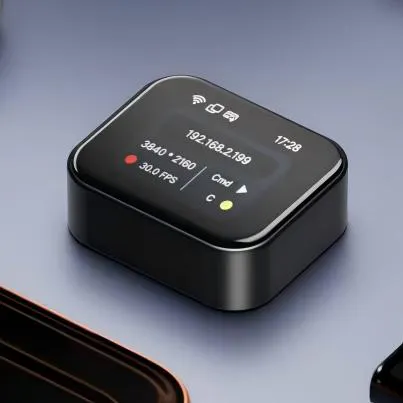
NanoKVM-Go
Give your AI agent physical control over any screen
▲ 110 votes

Diiverge
Turn any picture into a playable AI adventure
▲ 106 votes

Vevey
A game development tutor now on iOS
▲ 82 votes