
TaggIoT
IoT traceability for supply chains and shipments
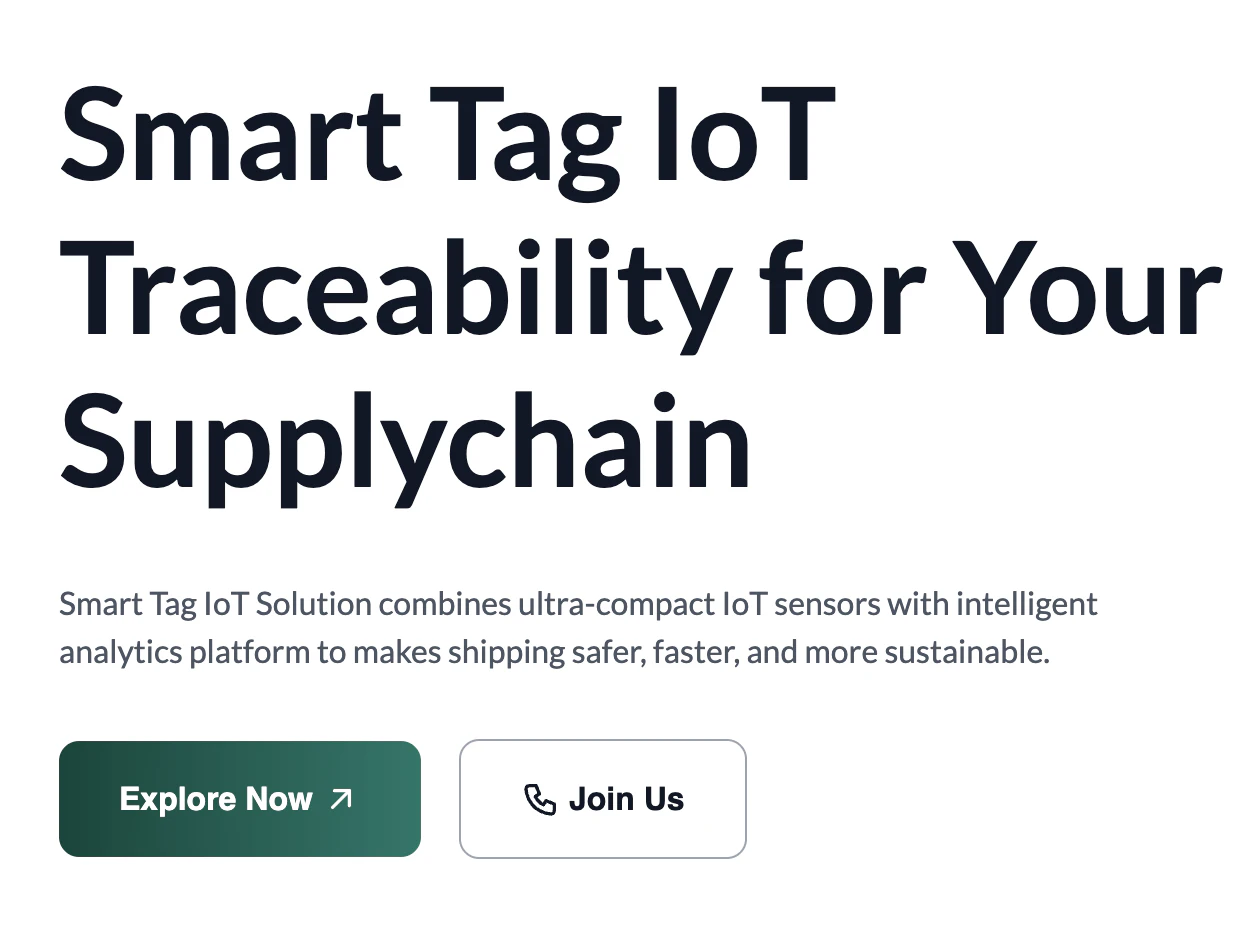
TaggIoT combines battery-free smart tags, gateways, and an analytics platform to track assets, shipments, and carbon data in real time. It looks like a real logistics product, but the hardware and enterprise deployment model make it a weaker Product Hunt fit.
AI Analysis
TaggIoT combines battery-free smart tags, gateways, and an analytics platform to deliver real-time tracking for assets, shipments, and carbon data in supply chains. Core features include passive IoT tags that require no batteries, real-time visibility dashboards, and sustainability metrics. It solves key pain points such as limited shipment visibility, manual tracking errors, high maintenance of traditional sensors, and challenges in carbon footprint reporting. The USP is its maintenance-free, eco-friendly hardware combined with actionable analytics, offering logistics operators improved efficiency, reduced losses, and compliance with sustainability standards.
In 2025-2026, IoT adoption in logistics is accelerating due to maturing battery-free/RFID technologies, stricter global ESG and carbon reporting regulations, and rising demand for supply chain resilience post-disruptions. User needs for real-time, sustainable tracking align perfectly with policy pushes for green logistics. This makes it an opportune time for hardware-software IoT solutions. Excellent Timing.
Medium. Battery-free tag development involves high technical complexity in energy harvesting and reliable sensing. Hardware manufacturing entails significant upfront costs, supply chain dependencies, and regulatory compliance for global shipments. Enterprise sales cycles are long, but the platform is scalable once deployed. Team needs strong hardware expertise; risks are elevated compared to pure software.
Primary segments are B2B enterprises in logistics, shipping, manufacturing, and retail supply chains, with focus on operations managers and sustainability officers. Geographically concentrated in Asia (e.g. Singapore) with global scalability. Core pain points include visibility gaps and carbon compliance. Market size is large (substantial TAM in IoT logistics tracking); enterprises show strong willingness to pay for ROI in loss prevention and regulatory adherence.
Medium. Direct competitors: 1. Wiliot (wiliot.com) - battery-free IoT tags; 2. Impinj (impinj.com) - RFID tracking platforms; 3. Tive (tive.com) - real-time shipment visibility; 4. Samsara (samsara.com) - IoT logistics solutions. Advantages: integrated carbon data analytics and fully battery-free design for lower long-term costs. Disadvantages: newer entrant with potentially higher hardware deployment barriers and less established brand compared to incumbents with broader ecosystems.
Upgrade Pro to unlock full AI analysis
Similar Products
Xena Intelligence
Amazon growth analytics for CPG brands
▲ 67 votes

Betterteem
AI attrition forecasting for workforce teams
▲ 67 votes

Greenmentor.co
ESG training and carbon management platform
▲ 66 votes

MyGigsters
Payments infrastructure for gig economy platforms
▲ 64 votes

Rey Assurance
Digital health app for care and insurance workflows
▲ 62 votes

QuikBot Technologies
Autonomous delivery platform for last-mile logistics
▲ 62 votes