Vibe Buddy
Hardware for AI coding
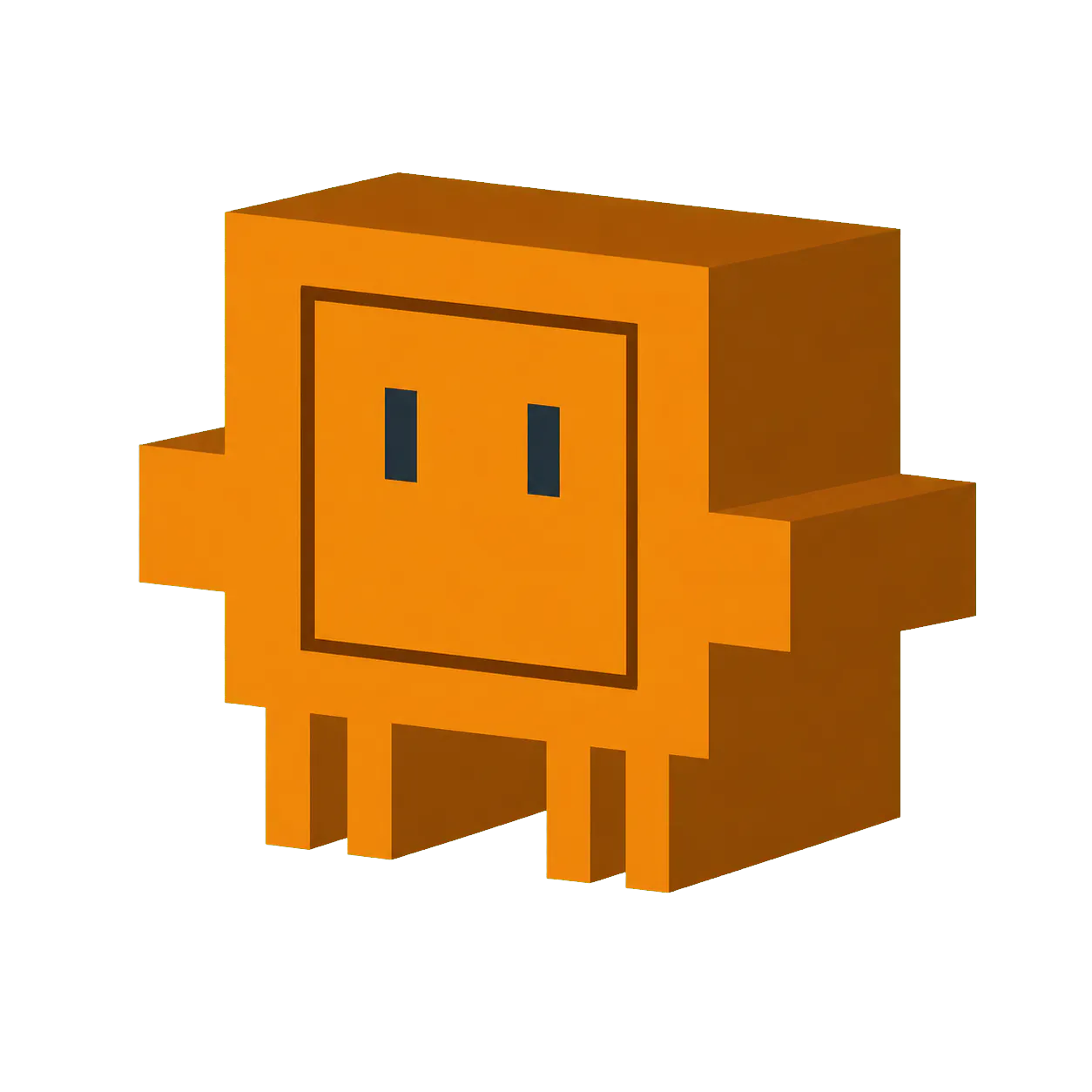
Vibe Buddy is a small desktop robot that keeps Codex and Claude Code usage limits and task status visible while you work. See when your AI is working, needs your input, has finished, or has hit its usage limit—without opening another tab.
AI Analysis
Vibe Buddy is a compact desktop robot that provides physical, at-a-glance visibility into AI coding tools like Codex and Claude. It displays real-time status indicators for when the AI is processing, needs user input, has completed tasks, or reached usage limits, using lights or movements without requiring tab-switching. It solves the core pain point of workflow disruption and context switching for developers monitoring AI progress. Unique selling points include its tangible 'buddy' form factor that maintains flow state and brings AI status into the physical environment. The value proposition is enhanced productivity and reduced friction in AI-augmented coding sessions.
The 2025-2026 period is favorable as AI coding tools like Claude and successors to Codex see massive adoption, with developers facing frequent rate limits and multi-tab monitoring fatigue. Technology maturity of LLMs and API integrations is high, while user demand shifts toward seamless, low-friction AI workflows. Emerging trends in ambient computing and physical peripherals align well. Economic push for developer productivity tools supports this. Overall: Excellent Timing.
Technical difficulty is medium-high due to required real-time API integrations with multiple AI services, reliable wireless connectivity, and custom robot hardware design. Development and operation costs are elevated from hardware manufacturing, inventory, and shipping. Supply chain and compliance risks exist for electronics (CE/FCC certification). Scalability is possible but capital-intensive. Team fit depends on combined hardware/software expertise. Overall rating: Medium, feasible with focused execution but not trivial.
Main target segments: Software developers, full-stack engineers, and AI tool power users (ages 25-40), primarily in North America and Europe, working at tech firms, startups, or independently. Industries focus on software development and IT. Estimated market size: Developer tools TAM exceeds $50B globally; AI-specific productivity segment SAM ~$5B with SOM for niche hardware ~$200M. Core pain points are constant status checking breaking coding flow and unexpected AI limits. Potential willingness to pay is moderate-high for a novel productivity gadget.
Low. Direct competitors: 1. Elgato Stream Deck (elgato.com) - programmable LCD keys for app status. 2. ThingM Blink(1) (thingm.com) - USB LED notifier for alerts. 3. Loupedeck (loupedeck.com) - editing consoles adaptable for dev monitoring. 4. Various VS Code/AI dashboard extensions (marketplace.visualstudio.com). 5. Smart home LED systems (e.g. Philips Hue, philips-hue.com) hacked for notifications. Advantages: More engaging robot personality, hyper-specific to AI coding (Claude/Codex), zero screen real-estate use. Disadvantages: Higher hardware cost, less customizable than software, requires physical setup/maintenance.
Upgrade Pro to unlock full AI analysis
Similar Products

Auriko
Trading desk for LLM calls
▲ 332 votes
Xirp
The agentic development environment built by Spotify
▲ 224 votes

React UI Kit V7
All the chat components you need. None of the complexity
▲ 115 votes

Replay QA Security Scan
Automated Penetration Testing for AI-Built Apps
▲ 102 votes
CodeBurn
See where your AI coding spend actually goes
▲ 101 votes

Polygram
AI-native design and coding app to build mobile & web apps
▲ 81 votes