
Axol
Automate physical work with a powerful robot
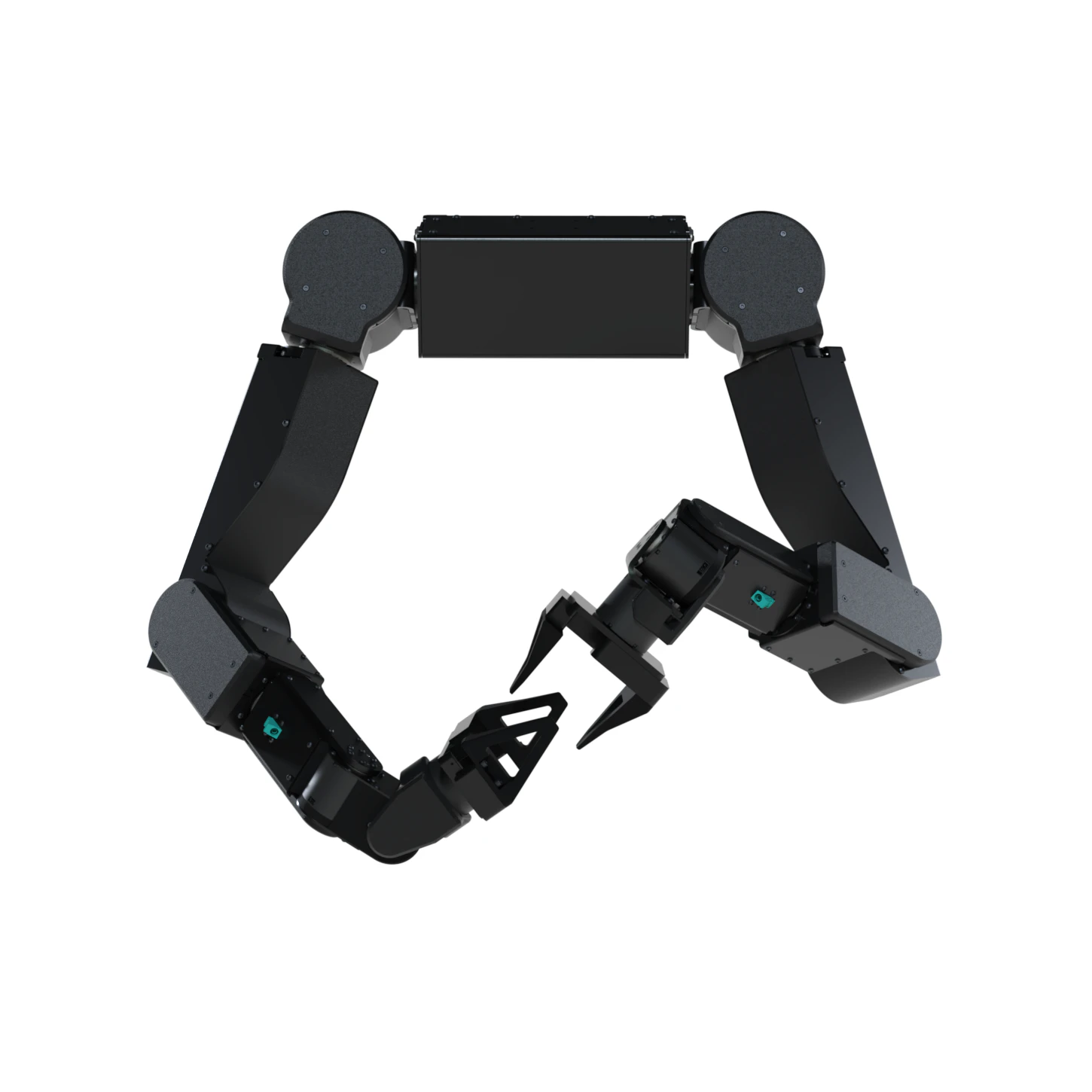
Axol is a dual-arm robot designed for teams automating real work with physical AI. Easy data collection, long reach, and a high range of motion means you can automate work that matters.
AI Analysis
Axol is a dual-arm robot designed for teams automating real-world physical tasks using AI. Core features include easy data collection for training models, long reach, and high range of motion for complex manipulations. It solves key pain points such as labor shortages in manual workflows, difficulties in gathering real-world robotics training data, and limitations of existing robots in dexterity and adaptability. The value proposition is delivering an accessible, developer-friendly platform that bridges AI capabilities with practical physical automation for meaningful industrial and research applications.
The 2025-2026 period is highly favorable due to rapid progress in foundation models for robotics (e.g., imitation learning, vision-language-action models), widespread labor shortages in manufacturing and logistics, increasing corporate investment in AI hardware, and supportive policies for automation. User demand is shifting toward flexible physical AI solutions beyond traditional fixed automation. This aligns perfectly with maturing tech stacks. Excellent Timing.
Technical difficulty is high, requiring advanced AI integration, precise dual-arm control, and robust hardware. Development and operation costs are substantial due to robotics components and R&D. Supply chain risks exist for specialized parts, though improving with industry growth. Scalability is promising but capital-intensive. Overall Medium feasibility supported by growing open-source robotics ecosystems but challenged by high barriers for new hardware players. Medium
Main target segments: AI/robotics developers and engineers, research labs, manufacturing and logistics companies (e.g., warehouses, assembly lines), primarily in North America, Europe, and Asia tech hubs. TAM for physical AI and service robotics estimated at $15B+ by 2026, with SAM for dual-arm research platforms around $2B. Core pain points include high labor costs, inflexible automation, and data scarcity for AI training. Potential willingness to pay is high (B2B pricing likely $50K-$200K per unit).
High. Direct competitors: 1. Figure 01 (figure.ai), 2. Optimus (tesla.com/optimus), 3. Digit by Agility Robotics (agilityrobotics.com), 4. Apollo by Apptronik (apptronik.com), 5. Phoenix by Sanctuary AI (sanctuary.ai). Advantages: Developer-focused with emphasis on easy data collection and superior reach/motion range for practical tasks. Disadvantages: Likely higher competition on brand, funding scale, and ecosystem compared to well-funded players like Tesla and Figure; newer entrant may face adoption hurdles in features and proven reliability.
Upgrade Pro to unlock full AI analysis
Similar Products

Cohere Parse 5
Turn complex docs, tables & images into AI-ready data
▲ 158 votes

Adapt
The company brain that gets work done
▲ 124 votes

Replay QA Security Scan
Automated Penetration Testing for AI-Built Apps
▲ 102 votes

WikiFix for Confluence
Find and fix issues in your knowledge base
▲ 86 votes

Audryo
Customer email your agent can operate.
▲ 68 votes

Refoid
Automate App Store refund responses and track every outcome
▲ 68 votes