EasyCircuit
Hardware prototyping, as simple as vibe-coding
An AI circuit copilot that designs your project and sources the parts automatically — no electrical engineering experience needed. Describe it in plain language, get a verified parts kit, and build it staged from breadboard to soldered perfboard.
AI Analysis
EasyCircuit is an AI circuit copilot enabling hardware prototyping without electrical engineering expertise. Users describe projects in plain language; the AI designs circuits, automatically sources verified parts kits, and guides staged builds from breadboard to soldered perfboard. It solves key pain points like complex schematic design, component selection errors, and lack of hardware knowledge. USP is simplifying the process 'as simple as vibe-coding', accelerating innovation for non-experts with verified, ready-to-build solutions. Overall value: democratizes hardware creation for faster prototyping and iteration.
Favorable for 2025-2026 with mature generative AI for design tasks, surging maker and IoT markets, rising demand for no-code hardware tools amid tech talent shortages, and economic push for rapid innovation. AI hardware assistants align with trends in edge computing and accessible tech education. This is an Excellent Timing as barriers to entry lower and adoption of similar AI tools grows rapidly.
Medium. Technical difficulty is notable in ensuring AI circuit accuracy, safety verification and error-free designs; supply chain for global automated parts sourcing/kitting carries inventory and logistics risks. Development costs for AI training and compliance (electronics regs) are significant. Scalability is strong via SaaS + e-commerce model if core AI performs reliably. Best fit for teams combining AI/ML and hardware engineering expertise.
Primary segments: Makers/hobbyists (18-45 years, tech enthusiasts), STEM students/educators, indie inventors and early-stage hardware startups focused on IoT, wearables and smart devices. Geographic focus: North America, Europe, East Asia (strong communities in US, China, Germany). Estimated TAM for electronics design/prototyping tools ~$10B+, SAM for AI-assisted/no-code segment ~$1B, SOM ~$50-100M initially. Core pains: steep learning curve in EE, time wasted on sourcing/debugging. High willingness to pay ($30-200 per kit/project) for convenience and speed.
Medium. Direct competitors: 1. Fritzing (fritzing.org) - breadboard-to-PCB design tool. 2. Tinkercad Circuits by Autodesk (tinkercad.com) - simulation-focused prototyping. 3. Flux.ai (flux.ai) - collaborative AI PCB design. 4. Upverter (upverter.com) - cloud-based circuit tools. 5. Circuits.io (part of Autodesk). Advantages: unique natural language interface, end-to-end parts kitting and physical build guidance not offered by others. Disadvantages: newer entrant with less brand trust, potential limitations on complex circuits vs established CAD tools; pricing may be higher due to physical kits.
Upgrade Pro to unlock full AI analysis
Similar Products

Loot
Collect your favorite things in real life
▲ 115 votes
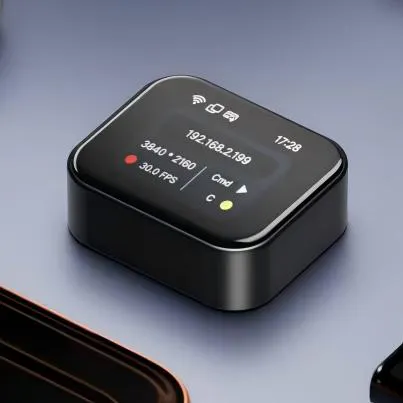
NanoKVM-Go
Give your AI agent physical control over any screen
▲ 110 votes

Bilt.me - Figma
Get a real mobile app from your Figma design
▲ 98 votes

LayerProof Kraft
Co-write insightful long form content
▲ 84 votes

Polygram
AI-native design and coding app to build mobile & web apps
▲ 81 votes

Bevell
CAD automation where it counts.
▲ 78 votes