
Meta VR Glasses
A Cinema, Courtside Seat, and Workspace in Just 100 Grams
Meta VR Glasses bring full virtual reality into a glasses-like 100g design. Get a 5K micro-OLED display, Dolby Vision and Atmos, eye and hand tracking, Meta AI, the Quest app library, immersive movies and live sports, gaming, and a private multi-screen workspace — without strapping a heavy computer to your face. The glasses connect to a pocketable compute puck and launch in Spring 2027 for $1,299.99.
AI Analysis
Meta VR Glasses are a 100g lightweight wearable delivering full VR via 5K micro-OLED display, Dolby Vision & Atmos, eye/hand tracking, Meta AI, and Quest app library. Connected to a pocketable compute puck, it enables immersive movies, live sports, gaming, and multi-screen workspace. USP is comfortable glasses form factor vs bulky headsets. Solves user pain of discomfort, fatigue, and limited portability in traditional VR. Value proposition: premium cinema, entertainment, and productivity experiences anywhere, launching Spring 2027 at $1,299.99.
For 2025-2026, VR/AR trends show maturing micro-OLED and AI tech, rising demand for lightweight wearables amid remote work and immersive content growth. Meta's ecosystem strength and shift from heavy headsets align well despite economic caution. It is a good time as hardware barriers decrease ahead of 2027 launch. Excellent Timing.
Technical difficulty is moderate by offloading compute to puck, easing glasses integration for tracking and displays. High development costs for premium components but Meta's VR experience helps. Supply chain and compliance risks manageable given Meta scale; strong scalability potential in consumer electronics. Overall rating: High.
Primary segments: tech enthusiasts, remote professionals seeking portable workspaces, VR gamers and entertainment seekers, ages 25-45, higher income, concentrated in North America, Europe. VR wearable market has strong growth potential. Core pains: bulky uncomfortable devices limiting adoption. High willingness to pay for lightweight premium solution at $1299.99 price.
Competition level: Medium. Direct competitors: 1. Apple Vision Pro (apple.com/vision-pro), 2. Meta Quest 3 (meta.com/quest-3), 3. Xreal Air 2 (xreal.com), 4. HTC Vive XR Elite (vive.com). Advantages: significantly lighter 100g form vs 300g+ rivals, seamless Meta AI and app ecosystem integration. Disadvantages: depends on external puck, higher price point, later 2027 entry vs existing products.
Upgrade Pro to unlock full AI analysis
Similar Products
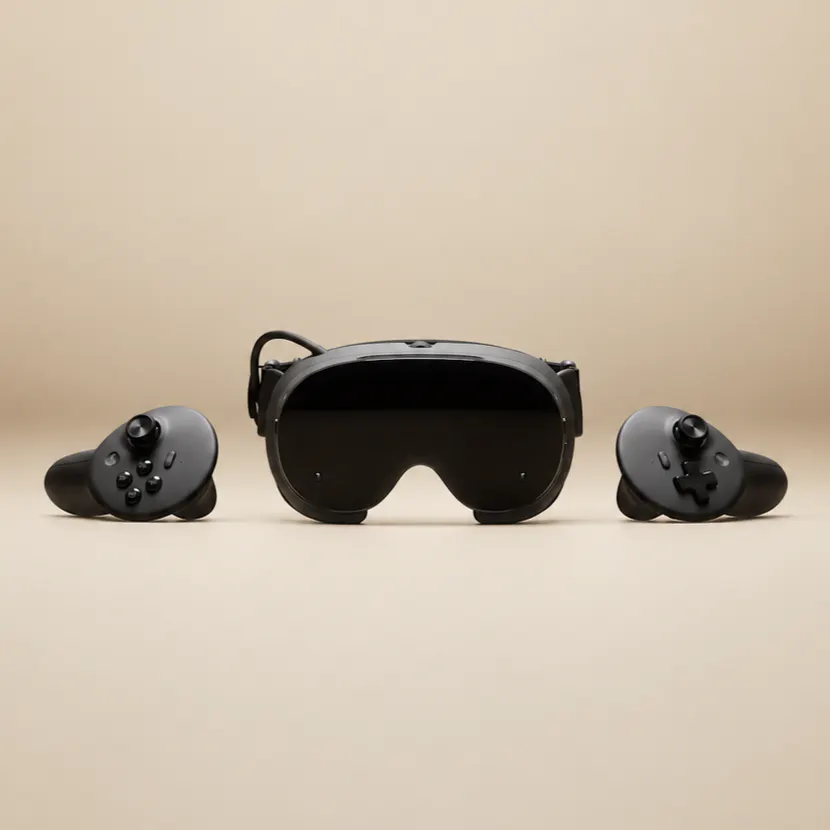
Steam Frame
Your Steam library, now on a wearable PC
▲ 135 votes
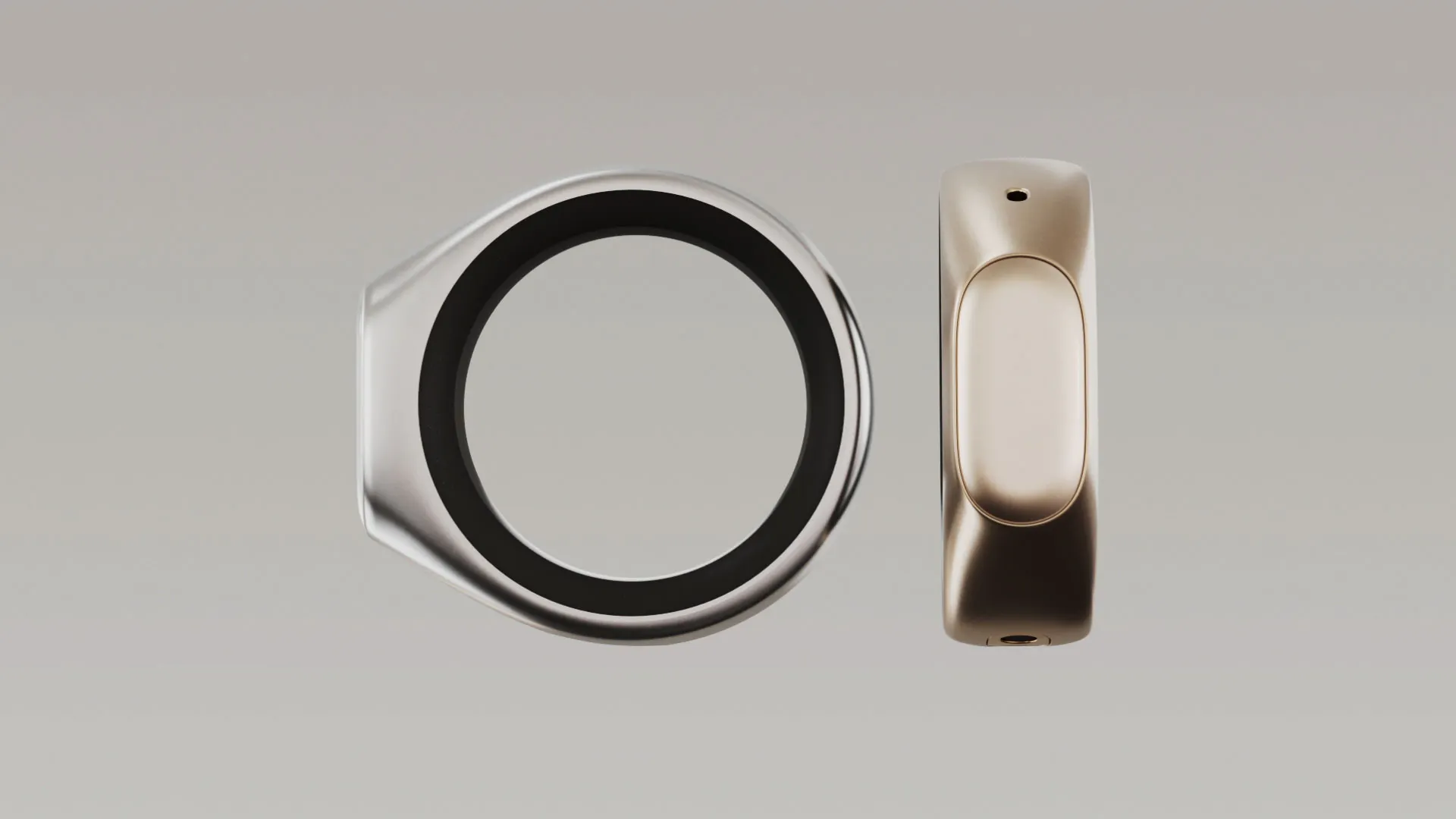
Universal Dictation on Stream
Private Voice Ring for dictation across iOS & Mac
▲ 119 votes

Sentinel
Control your robots from anywhere in the world
▲ 96 votes

Destiny Rings
Proximity-powered dating, social & networking
▲ 89 votes

CircadiaOS
Sleep optimization, minus the $3,000 mattress pod
▲ 89 votes
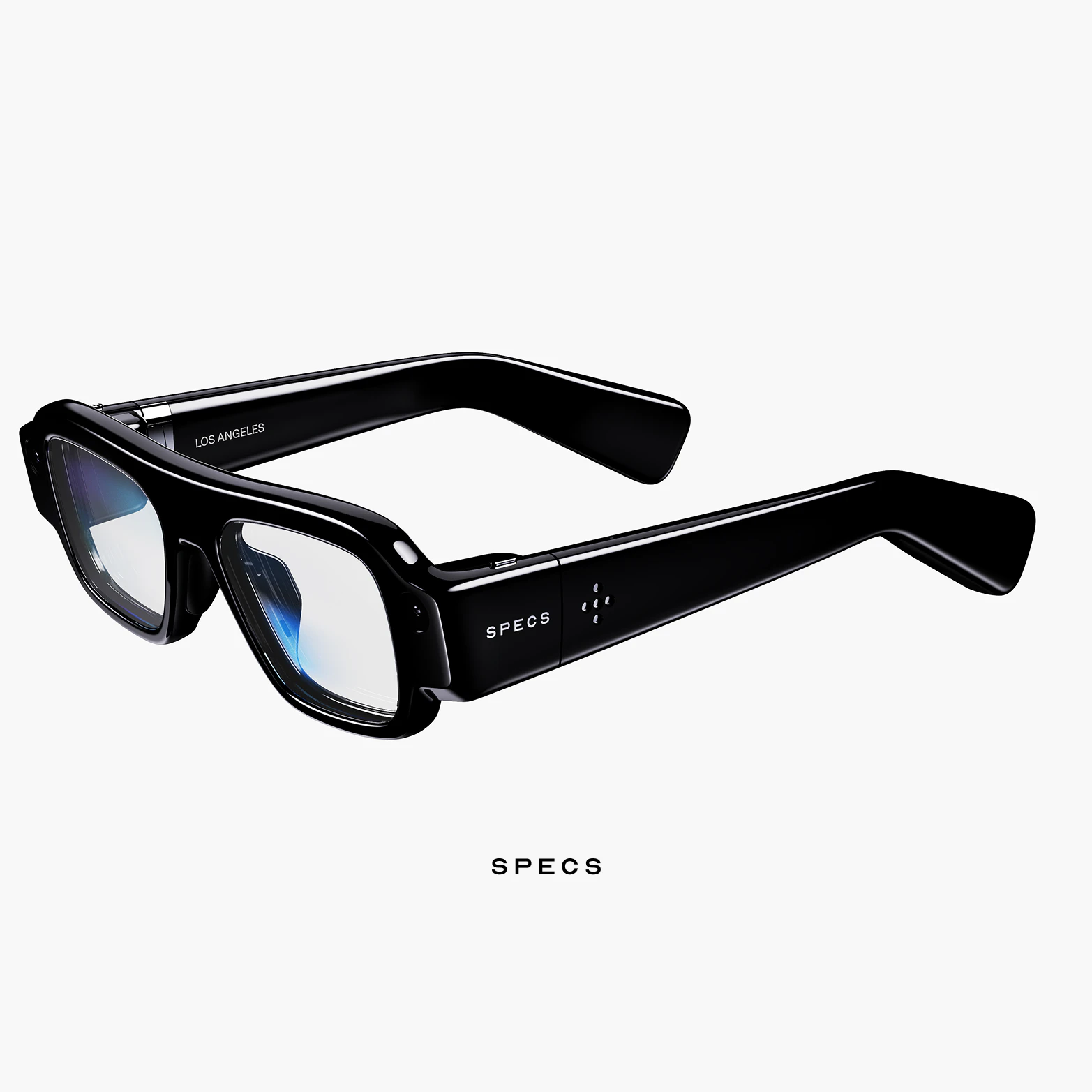
Snapchat SPECS
Powerful computer built into lightweight see-through glasses
▲ 85 votes