
PewCB
Vibe-routing is coming. Desktop PCB Factory is here.
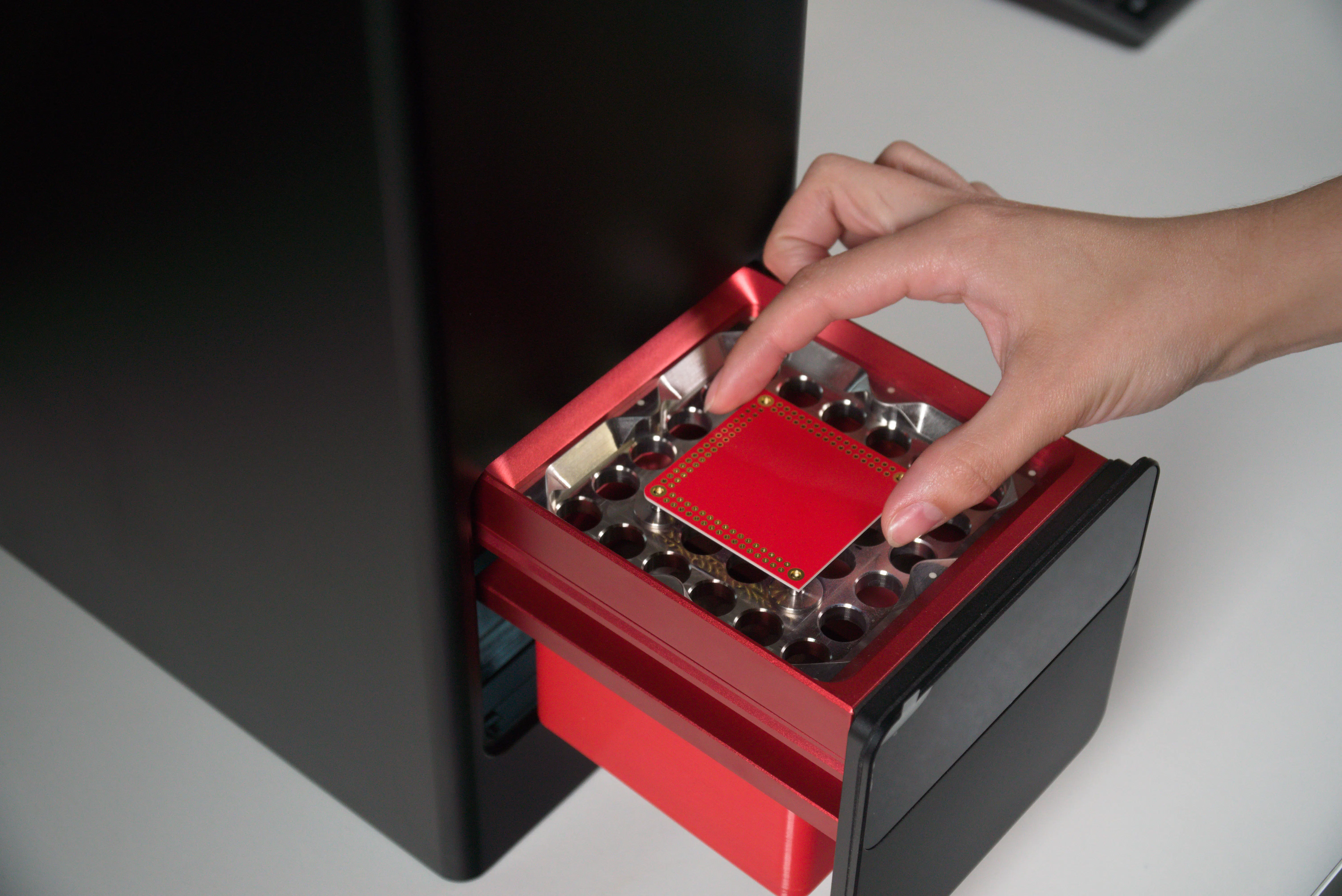
PewCB is a laser-based desktop PCB prototyping machine that produces factory-grade boards in 10 minutes. OpenAI's latest demo showed Astra creating a device in KiCad. It may not be practical just yet, but it teases what comes next: vibe-routing. Software runs seconds after a code change; hardware still waits two weeks for a PCB. PewCB cuts prompt-to-device time from 2 weeks to 1 hour, enabling 4 iterations a day instead of 2 a month.
AI Analysis
PewCB is a laser-based desktop PCB prototyping machine that produces factory-grade boards in 10 minutes. Core features include rapid fabrication enabling prompt-to-device time reduction from 2 weeks to 1 hour. Unique selling point is 'vibe-routing' inspired by AI demos like OpenAI Astra in KiCad, allowing 4 hardware iterations daily vs 2 monthly. It solves the key pain point of slow PCB manufacturing that lags software cycles for hardware engineers and IoT developers. Value proposition: democratizes professional prototyping on desktop to accelerate innovation.
In 2025-2026, AI design tools are maturing rapidly as seen in OpenAI demos, IoT and maker movements are expanding, and demand for faster hardware iteration is rising amid innovation-focused economic policies. This aligns perfectly with trends bridging software speed to hardware, making it an Excellent Timing.
Technical difficulty is significant for achieving reliable, safe laser-based factory-grade output in a desktop form. High development and component costs, supply chain risks for precision lasers, and regulatory compliance for hardware devices are concerns. Scalability is promising if proven. Overall rating: Medium, as the concept notes it may not be practical just yet.
Main segments: hardware engineers, IoT prototypers, makers and electronics educators, primarily tech professionals aged 25-45 in the US, Europe and Asia. The desktop PCB prototyping market is growing with AI/IoT expansion (specific TAM not provided). Core pain points are long lead times hindering rapid iteration. High willingness to pay for time-saving desktop solutions.
Medium. Direct competitors: 1. LPKF ProtoLaser (lpkf.com), 2. Voltera Nova (voltera.io), 3. Bantam Tools Desktop Mill (bantamtools.com), 4. BotFactory Squink (botfactory.co). Advantages: 10-min speed, AI vibe-routing focus, true desktop accessibility. Disadvantages: newer/less proven (may not be practical yet), likely higher cost and lower reliability track record vs established milling/laser systems.
Upgrade Pro to unlock full AI analysis
Similar Products

Midjourney Scanner
60 second ultrasound-based full-body scanner that beats MRI
▲ 206 votes
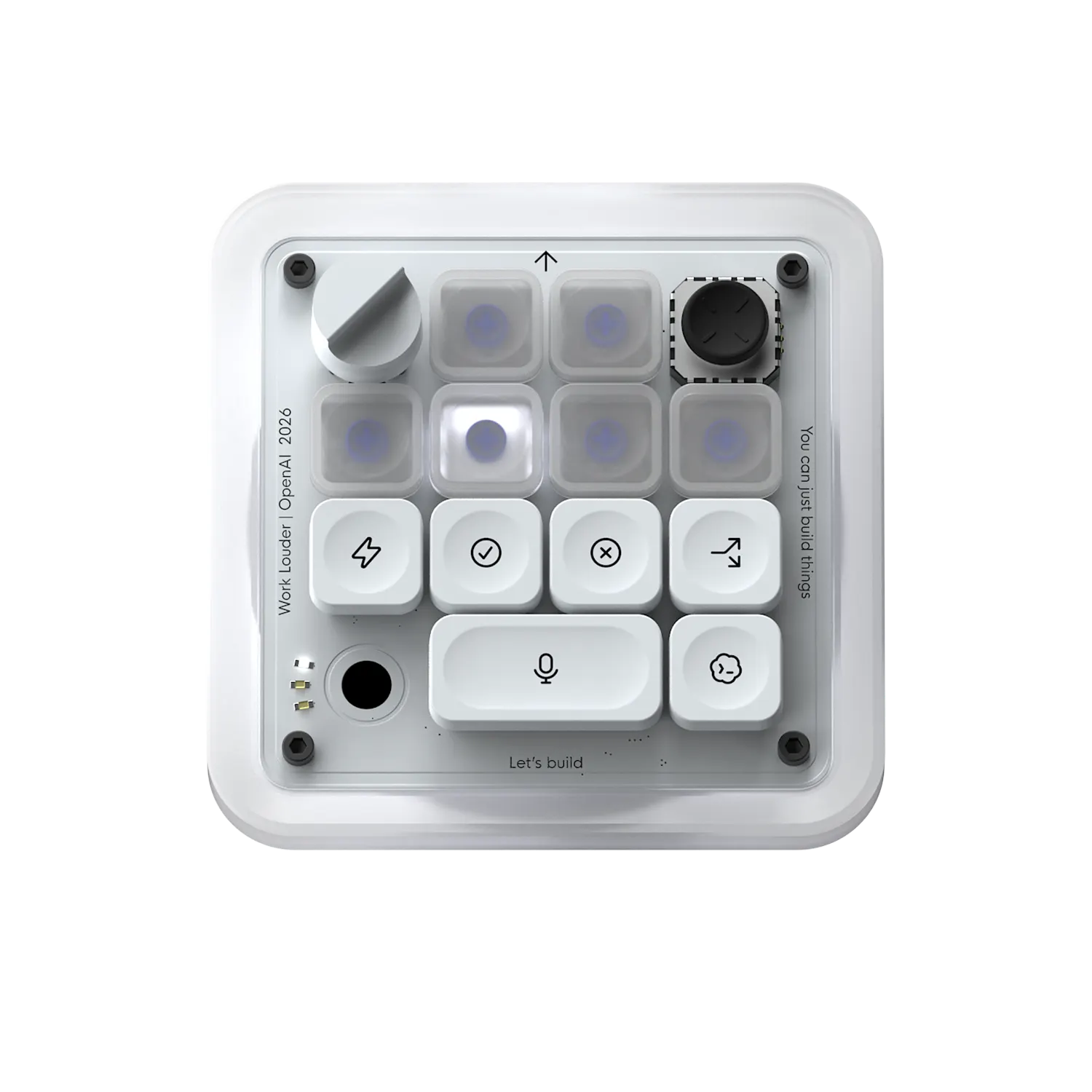
Codex Micro
Tactile controls for your Codex agents
▲ 205 votes
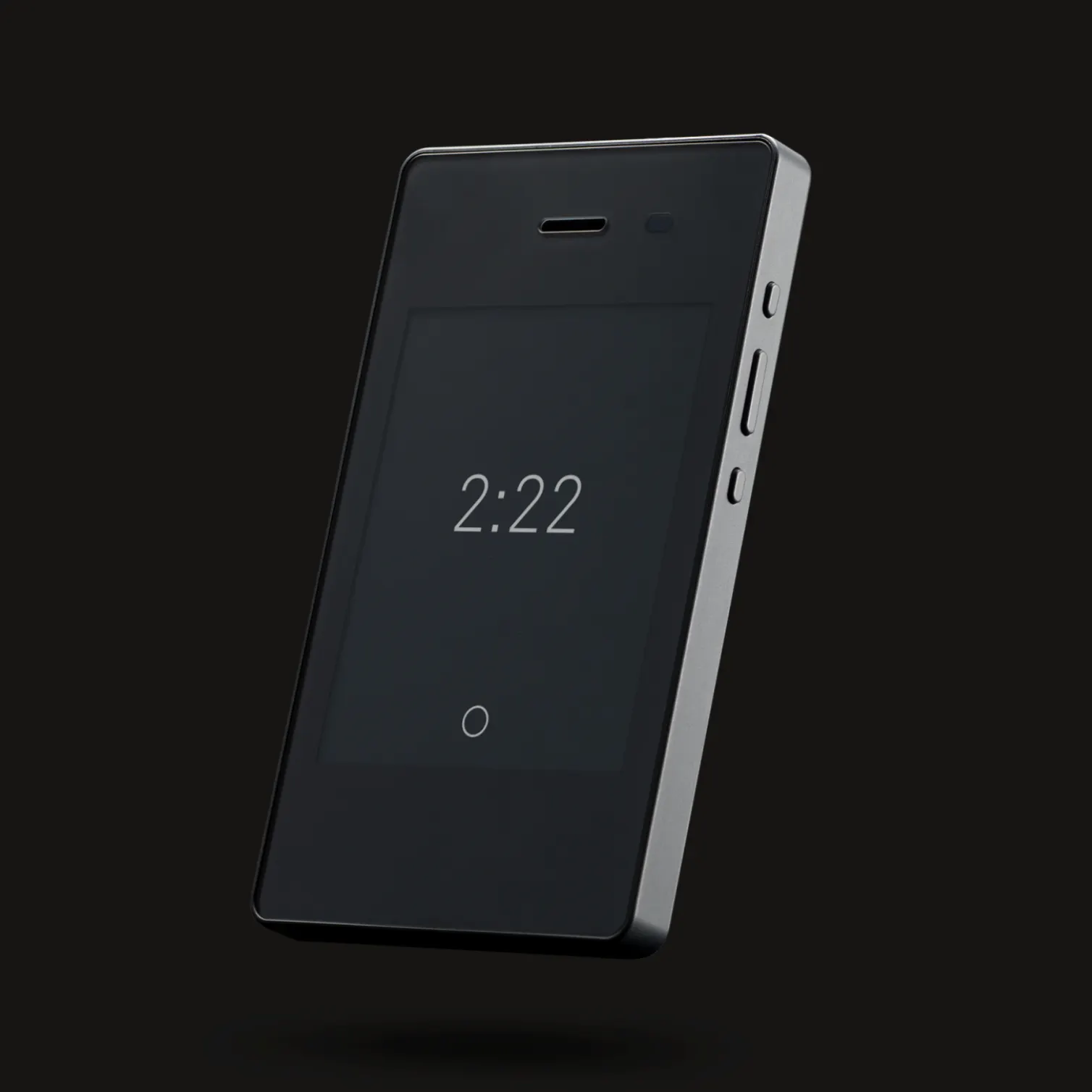
Light Flip
Nostalgia for a time before smartphones
▲ 138 votes
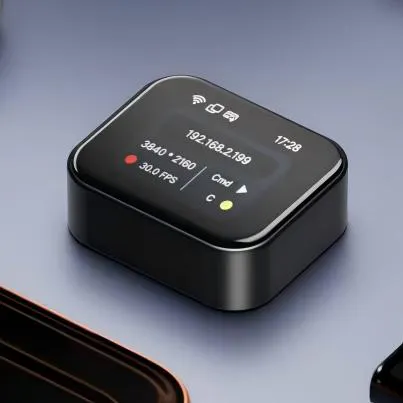
NanoKVM-Go
Give your AI agent physical control over any screen
▲ 110 votes

KiHub
Hardware review platform for KiCad projects
▲ 92 votes

Arkiv
Modern Asset Protection for Designers
▲ 68 votes