
Polygram Coding Agent
AI-native coding assistant that helps developers in any IDE
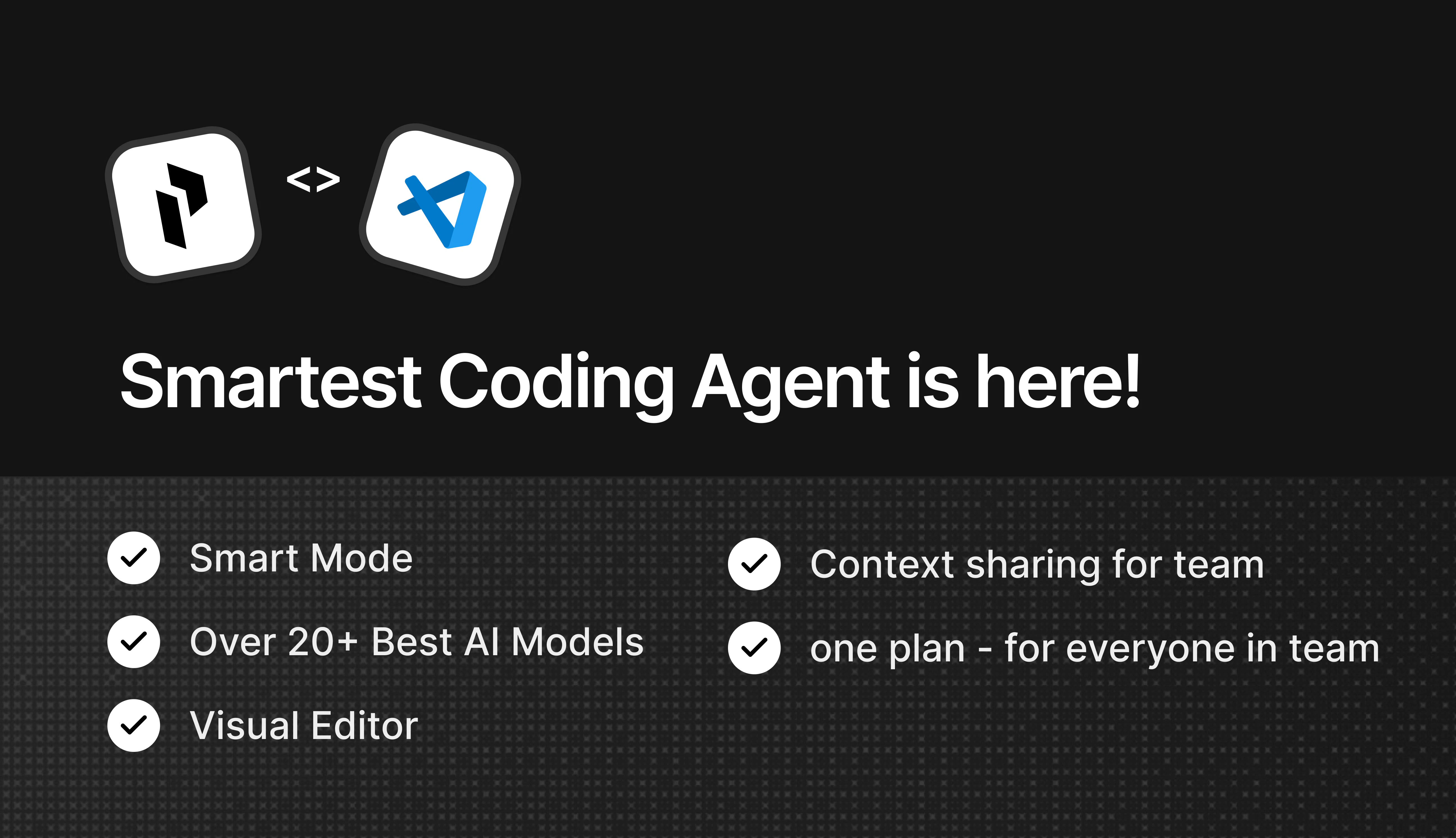
Polygram IDE Agent is an AI-native coding assistant that helps developers plan, design, code, and edit products directly inside their IDE. Unlike traditional coding assistants, Polygram uses intelligent multi-agent workflows and smart model routing to dynamically select the best AI models and agents for maximum token efficiency, speed, and output quality. It plugs directly into VS Code, Cursor, and Antigravity along with visual editor for frontend developers.
AI Analysis
Polygram Coding Agent is an AI-native coding assistant that integrates directly into IDEs such as VS Code, Cursor, and Antigravity. It supports developers throughout planning, design, coding, and editing via intelligent multi-agent workflows and smart model routing, which dynamically selects optimal AI models for superior token efficiency, speed, and output quality. Key differentiators include its multi-agent approach and visual editor for frontend work, unlike traditional single-model coding tools. It addresses pain points like inefficient AI interactions, suboptimal code generation, context switching, and slow development cycles, delivering seamless in-IDE assistance to accelerate product building and improve overall developer productivity.
Favorable for 2025-2026 as AI agent technologies and multi-model orchestration mature rapidly, aligning with surging demand for efficient developer tools amid rising software complexity and AI adoption in enterprises. User needs are shifting toward integrated, high-quality AI workflows that reduce costs and latency. Supportive economic environment for productivity-enhancing SaaS despite some AI regulation. Excellent Timing.
Medium. Technical challenges in building reliable multi-agent systems and smart routing exist but leverage mature LLM APIs. Moderate development costs for IDE integrations and cloud infrastructure; low supply chain risk as pure software. Compliance risks around code data privacy and IP. Good scalability potential but requires strong AI engineering team fit. Key risks are output consistency and integration stability.
Primary users: Professional software developers, full-stack and frontend engineers (ages 25-40) in tech startups, SMEs, and large enterprises. Industries: Software development and IT services. Geographic: Global with heavy concentration in North America, Europe, and East Asia. TAM for AI-powered dev tools exceeds $10B with SAM for IDE assistants around $3B; SOM viable for niche differentiation. Core pains include productivity bottlenecks and poor AI reliability. Strong willingness to pay via subscription models for measurable time savings.
High. Direct competitors: 1. GitHub Copilot (github.com/features/copilot), 2. Cursor (cursor.com), 3. Tabnine (tabnine.com), 4. Sourcegraph Cody (sourcegraph.com/cody), 5. Continue.dev (continue.dev). Advantages: Superior multi-agent workflows, dynamic model routing for efficiency/quality, and visual frontend editor. Disadvantages: Newer player with less brand trust and ecosystem than incumbents; may have higher latency or integration friction. Differentiation centers on intelligent agent selection versus single-model approaches, but faces pressure from rapid competitor feature copying.
Upgrade Pro to unlock full AI analysis
Similar Products

Cohere Parse 5
Turn complex docs, tables & images into AI-ready data
▲ 158 votes

Adapt
The company brain that gets work done
▲ 124 votes

Tapfree for Chrome
Voice dictation that adapts to what’s on your screen
▲ 122 votes

React UI Kit V7
All the chat components you need. None of the complexity
▲ 115 votes

Replay QA Security Scan
Automated Penetration Testing for AI-Built Apps
▲ 102 votes

CodeBurn
See where your AI coding spend actually goes
▲ 101 votes